Best Vacuum for Coffee Grounds: Pick Up Every Grain Without Clogging Your Machine
Coffee grounds are dense, wet, and filter-damaging. These are the best vacuums for cleaning up coffee grounds from counters, carpets, and hard floors safely.
Table of Contents
Spilling coffee grounds is one of those kitchen disasters that looks minor and turns into an unexpectedly significant cleanup. The grounds scatter immediately on contact with any surface. On hard floors, they stain if left wet. On carpet, they embed quickly and leave a tan residue that resists dry vacuuming once they have dried and bonded to fibers. And if you reach for your regular vacuum without thinking, you may end up with a clogged filter, a stained dust bin, and grounds redistributed through your vacuum’s exhaust — a small spill turned into a bigger problem.
The challenge with coffee grounds as a vacuum debris type is the combination of fine particle size and moisture content. Freshly spilled grounds from a French press or drip machine are not dry powder — they are used, damp, and sticky. They clump together, adhere to surfaces, and in a vacuum, they load filters far faster than dry debris because the moisture causes them to paste onto filter media rather than sitting loosely and maintaining airflow.
Even dry, unbrewed coffee grounds present a challenge. The particle size is in the fine powder range, and the oils present in ground coffee can coat filter media in a way that dry powder like flour or baking soda does not. Coffee oil residue on HEPA filter fibers reduces airflow and is difficult to wash out completely.
This guide covers the specific vacuum types that handle coffee grounds safely, which products perform best, and the technique that minimizes equipment damage and cleanup time.
Wet Grounds vs. Dry Grounds: Two Different Problems
Dry, unbrewed coffee grounds behave like fine powder. They scatter easily, are lightweight enough to become briefly airborne when disturbed, and require a vacuum with fine filtration to capture them without redistributing them through the exhaust. The coffee oil content makes them moderately more challenging than neutral powders like baking soda because oil degrades filter media differently than alkaline powder does.
Wet, used coffee grounds are a more complex problem. They are significantly heavier than dry grounds, which means they resist light suction. They are sticky and clumping, which means they can adhere to hose walls and form blockages. And they contain moisture, which — as with baking soda — reacts with filter media to form a paste that can permanently reduce filter performance.
The key rule: never vacuum wet coffee grounds with a standard household vacuum. The moisture in used grounds will damage the filter. Wet or damp grounds should go through a wet/dry vacuum, be swept up with a damp paper towel first, or be allowed to dry completely before vacuuming.
Dry grounds — including spilled unbrewed coffee — can be vacuumed with an appropriate household vacuum using the guidelines below.
What Makes a Vacuum Suitable for Coffee Grounds
Sealed HEPA filtration. Coffee grounds in the fine particle size range require true HEPA filtration to prevent fine particles from exiting through the exhaust. Sealed system design ensures all airflow passes through the filter rather than finding bypass pathways in the housing.
Replaceable or washable filters. Coffee oil residue on filter media progressively reduces airflow. A vacuum with a washable filter allows you to clean it after a significant grounds spill. A vacuum with replaceable filters allows you to swap a contaminated filter for a fresh one. A vacuum with neither option — a single non-removable filter — will have permanently reduced performance after a large coffee grounds spill.
Strong suction for ground extraction from carpet. If coffee grounds have settled into carpet pile, pulling them back out requires strong suction combined with mechanical agitation. Low-power vacuums leave the majority of grounds behind in the fiber depth.
Wet/dry capability for used grounds. For used, moist grounds, a wet/dry shop vacuum is the only appropriate standard equipment. Standard household vacuums should not be used for wet grounds.
Large collection capacity relative to debris volume. A single French press’s worth of used grounds is approximately 2-3 tablespoons of compact, dense material — not much volume. For countertop and hard floor spills, bin capacity is not a significant factor. For large carpet spills, standard bin capacity is adequate.
The 5 Best Vacuums for Coffee Grounds
1. Dyson V15 Detect — Best Overall for Dry Coffee Grounds
Best for: Dry coffee ground spills on hard floors and carpet, kitchen cleanup, fine particle capture
The Dyson V15 Detect is the strongest recommendation for dry coffee ground spills because its laser illumination system makes the cleanup verifiably complete. Coffee grounds on dark hard floors are easy to miss; on light floors, a spilled tablespoon of medium-roast grounds is nearly invisible once the grounds separate and scatter. The V15’s green laser at floor level illuminates even fine coffee particles that would otherwise be impossible to see — allowing you to confirm the floor is clean rather than guessing.
The whole-machine HEPA filtration with fully sealed system handles fine coffee particles without allowing them to bypass the filter. The piezoelectric sensor counts particles in real time, providing objective confirmation that particle counts are dropping as you clean. For a kitchen counter-to-floor spill, this data lets you know when you have actually completed the job.
The Fluffy Soft Roller head on the V15 is ideal for hard floor coffee ground pickup. The soft roller’s picking action is effective for the medium-weight grounds that tend to scatter and resist straight suction. For carpet, switch to the High Torque Cleaner Head with the motorized brushroll for deep fiber extraction.
Pros:
- Laser illumination makes ground residue visible on hard floors
- Whole-machine HEPA with sealed system
- Piezoelectric sensor confirms cleaning completeness
- Fluffy head ideal for hard floor ground collection
- Cordless convenience for countertop-to-floor cleanup
Cons:
- Not suitable for wet or damp used grounds
- Premium price
- Battery life consideration for extended cleaning sessions
2. RIDGID 9-Gallon Wet/Dry Vac — Best for Used, Wet Coffee Grounds
Best for: Wet grounds from French press, drip machine cleanup, large used grounds disposal
For used, wet coffee grounds — the ones from the filter basket after brewing — the RIDGID 9-Gallon wet/dry vac is the only appropriate tool. It handles wet material without filter damage, and its large capacity collects everything from a significant grounds spill without stopping.
The RIDGID’s wet collection function changes the filtration path to allow liquid and semi-liquid material to collect in the drum without contacting the filter directly. When used for wet grounds, remove the standard filter cartridge and use the drum without it — wet debris collects in the drum, and the filter is protected from moisture contact.
After collection, the drum rinses out easily. Coffee oils may leave staining on the plastic drum interior, but this does not affect performance. For countertop cleanup after removing a used coffee filter, the RIDGID with its crevice tool attachment cleans up residual grounds from the coffee maker’s basket area more thoroughly than a damp cloth alone.
Pros:
- Only recommendation on this list suitable for wet grounds
- Large 9-gallon capacity
- Easy drum cleanup after coffee grounds collection
- Wet collection function protects filter from moisture damage
- Crevice tool accesses coffee maker housing and basket
Cons:
- Bulky for kitchen countertop use
- Not practical for daily use — stored away between uses
- No HEPA filtration for fine dry coffee particles
3. Miele Boost CX1 PowerLine — Best Bagless for Dry Coffee Ground Pickup
Best for: Frequent coffee spills, whole-kitchen cleaning including grounds
The Miele Boost CX1 is the strongest bagless canister for dry coffee ground collection because of its Vortex Technology cyclone separation and the ease of accessing and cleaning the filter when needed. The stainless steel filter — an unusual feature in this category — is washable and resistant to coffee oil residue in a way that standard HEPA filter media is not. After a significant coffee grounds collection session, the stainless filter can be rinsed clean more completely than paper or fiber filter media.
The canister’s bin empties through a sealed bottom mechanism that minimizes coffee dust exposure during disposal. The bagless design means no bag cost — relevant for a kitchen appliance that may be used multiple times per week.
The Miele AirClean exhaust filter provides secondary fine particle capture after the cyclone and stainless filter. For coffee ground applications, this is adequate for capturing the finest coffee dust particles before they exit through the exhaust.
Pros:
- Stainless steel filter is washable and coffee oil-resistant
- Vortex Technology bagless cyclone for consistent suction
- Sealed bin emptying minimizes dust exposure
- No ongoing bag costs for frequent use
- Miele quality and longevity
Cons:
- Stainless filter still requires regular washing to maintain performance
- Not suitable for wet grounds
- Premium Miele price point
4. Bissell MultiReach Ion XL — Best Cordless for Kitchen Coffee Cleanup
Best for: Quick kitchen cleanup, countertop-to-floor spill management, cordless convenience
The Bissell MultiReach Ion XL is a lightweight cordless stick vacuum that handles the specific scenario of a kitchen coffee spill with practical efficiency: cordless operation for quick access without locating a power outlet, a tangle-free brushroll that handles grounds mixed with coffee filter fragments or paper debris, and adequate suction for countertop and hard floor ground collection.
For the everyday kitchen coffee cleanup scenario — a grounds spill that needs attention immediately before the grounds are tracked across the kitchen floor — the MultiReach Ion’s combination of light weight, cordless operation, and quick-start convenience makes it the most practically useful option. Its HEPA filtration handles fine coffee dust, and the easy-access filter is simple to rinse when needed.
This is not the vacuum for carpet coffee ground extraction — the suction is not in the same class as the Dyson V15 or a full-size upright for that application. For kitchen surfaces and the hard floor areas around the coffee station, it is the right tool.
Pros:
- Quick cordless access for immediate spill response
- Lightweight and easy to maneuver in kitchen
- Tangle-free brushroll for mixed debris
- Easy filter access for post-grounds cleaning
- More affordable than premium cordless alternatives
Cons:
- Not suitable for wet grounds
- Less suction than full-size vacuums for carpet extraction
- Smaller bin requires more frequent emptying for larger spills
5. Shark Vertex Powered Lift-Away — Best Full-Size for Coffee Grounds on Carpet
Best for: Coffee spills on carpet, household with carpet in kitchen or dining area near coffee station
Shark Vertex Powered Lift-Away
For coffee ground spills on carpet — which are more challenging than hard floor spills because the grounds embed into the pile and dry there — the Shark Vertex Powered Lift-Away provides the combination of powered brushroll agitation and strong suction needed to extract grounds from fiber depth.
The DuoClean PowerFins system penetrates carpet pile with the spiral fin element while the front soft roller picks up loose grounds. The Powered Lift-Away feature detaches the canister for stair and above-floor cleaning — useful for coffee ground cleanup in dining areas or near coffee bars with upholstered seating.
The Anti-Allergen Complete Seal with HEPA filtration contains fine coffee dust in the sealed system. The large capacity dust bin accommodates the combined debris of a carpet extraction session without stopping. The self-cleaning brushroll minimizes the maintenance impact of grounds accumulating in the brushroll housing.
Pros:
- DuoClean PowerFins for deep carpet grounds extraction
- Strong suction for dense ground extraction from pile
- Self-cleaning brushroll reduces grounds-related maintenance
- HEPA with Anti-Allergen Complete Seal
- Powered Lift-Away for carpet and above-floor cleaning
Cons:
- Not suitable for wet grounds
- Heavier than cordless alternatives for kitchen cleanup
- Full-size upright may be overkill for hard floor coffee spills
Technique for Cleaning Up Coffee Grounds
The technique matters as much as the vacuum. Here is the protocol that minimizes scatter and provides the most complete cleanup.
For hard floor spills:
First, resist the instinct to immediately sweep or vacuum. Initial disturbance of freshly spilled dry grounds scatters them significantly. If the grounds are dry, wait ten to fifteen seconds for any scatter motion to settle. Then use a damp paper towel to lightly press down on the densest area of the spill, capturing the majority of grounds by adhesion to the damp towel. Dispose of the towel. Then vacuum the remaining grounds and fine dust with the hard floor nozzle — no brushroll, no spinning elements. Work from the outside of the spill area toward the center, in the opposite direction of your intuition, to prevent pushing grounds further out.
For carpet spills:
If the grounds are dry, vacuum immediately before they can work deeper into the pile. Use the motorized brushroll at medium height — not the lowest setting, which presses the brushroll into the pile and smears the grounds deeper. Multiple passes in different directions extract progressively more grounds from the fiber depth. Do not attempt to damp-clean the area first, as water makes the grounds stick to fibers much more aggressively.
For wet grounds on hard floor:
Scoop as much as possible with a stiff spatula or dustpan before vacuuming. Use the shop vac wet function or damp cloth for the remainder. Dry vacuum last to capture any dried residue once moisture has evaporated.
For wet grounds on carpet:
This is the most difficult scenario. Blot (do not rub) with an absorbent cloth to remove as much moisture as possible. Allow to dry completely — preferably accelerated with a fan pointed at the area. Vacuum once fully dry. If staining remains after dry vacuuming, a carpet cleaner or enzyme-based spot cleaner is needed.
Frequently Asked Questions
Will vacuuming coffee grounds damage my vacuum?
Dry grounds are safe for vacuums with HEPA filtration and sealed systems. The main risk is coffee oil loading on filter media over repeated use. Clean or replace the filter more frequently than the standard interval. Wet grounds will damage standard vacuum filters — use a wet/dry vac for wet grounds only.
Can I vacuum coffee grounds from a coffee maker?
The crevice tool on a vacuum works well for cleaning the grounds basket area of a drip coffee maker after removing the used filter. Ensure the basket area is completely dry before vacuuming. The crevice tool can reach into the basket housing and the grounds chute on espresso machines to remove dry grounds residue. Never vacuum into a wet machine.
How do I get coffee grounds out of carpet without a vacuum?
A stiff-bristled dry brush can bring grounds from deep in the pile to the surface, where they can be scooped with a dustpan or picked up with a sticky lint roller. This is less complete than vacuuming but useful when you do not have an appropriate vacuum available. The grounds may leave a light tan stain even after removal — an enzyme-based carpet cleaner addresses the stain component.
Does the brand of coffee affect how hard the grounds are to vacuum?
Grind size matters more than brand. Espresso grind — the finest grind — has a smaller particle size that is harder on vacuum filters and more likely to become airborne during cleanup. Coarse French press grind is the easiest to vacuum because the larger particles behave more like standard debris. Pre-ground coffee in standard medium roast is in between.
How often should I clean my vacuum filter after cleaning up coffee grounds?
After a significant coffee spill — a full filter basket worth of grounds — inspect and clean the filter immediately. Coffee oil can reduce filter performance faster than dry debris. For routine single-cup cleanup, clean the filter at your standard schedule unless you notice suction reduction, which indicates the filter needs attention sooner.
Final Verdict
For the everyday kitchen coffee ground spill scenario, the Dyson V15 Detect is the strongest recommendation. The laser illumination feature genuinely changes the ability to confirm clean on hard floors, and the whole-machine HEPA filtration handles fine coffee dust safely.
For wet, used grounds — from a French press, filter basket, or espresso machine — the RIDGID 9-Gallon Wet/Dry Vac is the only appropriate tool. Never use a standard household vacuum for wet grounds.
For carpet coffee spills specifically, the Shark Vertex Powered Lift-Away’s DuoClean PowerFins system provides the deep-pile extraction needed to get grounds out of fiber depth before they dry and bond.
The most important rule for coffee grounds and vacuums: wet and dry are completely different problems, requiring different equipment. Keep both available, and never use the wrong one for the situation at hand.
Top Picks

Bissell CleanView XR cordless vacuum: 200W motor, 35-min runtime, tangle-free brush roll & 3-in-1 design. Top-rated stick vacuum for home. Shop now.

Bissell Featherweight stick vacuum weighs only 3 lbs and converts into 3 machines. Bagless design with crevice tool for carpet, hard floors, and furniture.

Bissell CleanView XR Pet 300W cordless stick vacuum with 40-min runtime, deep cleaning FurBrush, and removable battery. Expert review with full specs.

Bissell Featherweight 2033M is an ultra-lightweight 3-in-1 bagless stick vacuum for hard floors, carpet, and stairs. Converts to hand vac with crevice tool.
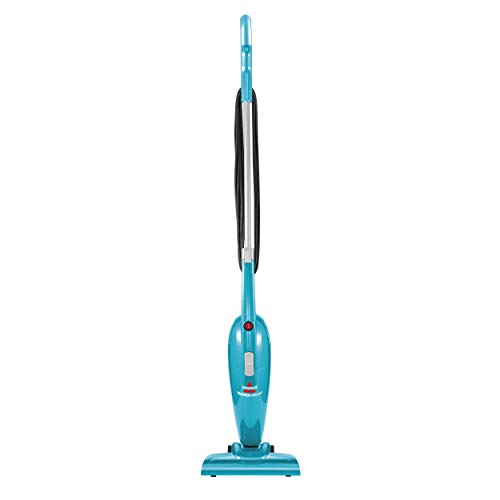
Bissell Featherweight 2033 lightweight stick vacuum converts to handheld. Bagless, corded, with crevice tool for carpets, hard floors, and stairs.
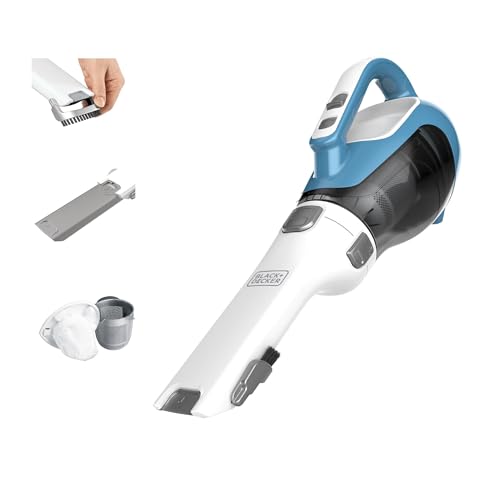
BLACK+DECKER Dustbuster AdvancedClean cordless handheld vacuum with cyclonic suction and 16V battery. Great for home and car. Read our expert review now.
Ready to Find Your Perfect Vacuum?
Browse our expertly reviewed vacuum cleaners and make an informed decision
Browse All Vacuums