Best Vacuum for Glass Shards: Safely Clean Up Broken Glass Without Injury
Vacuuming broken glass requires the right machine and the right technique. Here are the safest vacuums for glass shards and how to use them without damage or injury.
Table of Contents
Broken glass is one of the most anxiety-inducing household cleaning situations there is. A dropped glass, a shattered mirror, a broken picture frame — the debris field is immediate, invisible in certain light angles, and genuinely dangerous for everyone in the house, especially children and pets. Getting it completely clean is not just a tidiness issue. It is a safety issue with real consequences if you miss fragments.
The instinct to reach for your regular household vacuum is understandable. What most people do not know until they try it is that many household vacuums are not safe or appropriate for broken glass. The reasons range from filter damage to serious internal wear, and in some cases, the vacuum itself can become a secondary hazard by redistributing fine glass particles rather than containing them.
This guide explains exactly which vacuums handle glass safely, which ones to avoid, and the step-by-step technique that ensures complete glass removal without injury.
Why Standard Vacuums Struggle with Broken Glass
Before the product recommendations, it is worth understanding why this is a genuine problem rather than simple overcaution.
Sharp glass damages hoses and internal components. The airflow path inside a standard vacuum — hoses, internal tubes, impeller housing — is made of plastic. Medium to large glass fragments traveling through this path at vacuum airspeed can nick, crack, or puncture these components. A cracked hose creates a suction leak. A damaged impeller is a motor repair. In a worst case, a large fragment can puncture a vacuum bag from the inside.
Fine glass dust is silica. When glass breaks, it shatters into visible fragments but also creates an invisible cloud of fine glass dust — particles of silica glass too small to see with the naked eye. Standard HEPA filters can capture these particles if they are above 0.3 microns, but glass dust in this fine range can be harsh on foam pre-filters and, more importantly, gets redistributed if the vacuum’s filter seal is imperfect. You may end up blowing fine glass particles across the room in the exhaust air.
The collection container matters. Emptying a bagless vacuum after collecting glass is its own hazard. Glass fragments in the dust cup can cut your hand during emptying, and the act of tapping the bin clean agitates glass dust. A sealed bag disposal, or a large-capacity container you can line with a heavy garbage bag, is much safer.
Soft brushrolls are not designed for it. The Dyson Fluffy roller head and similar soft roller designs are ideal for hard floor debris but will embed fine glass fragments in the fabric roller, potentially distributing tiny glass shards across the floor on the next use. These rollers are damaged by glass and should not be used for initial glass cleanup.
The Two Safe Approaches
There are two legitimate approaches to vacuuming broken glass:
1. Shop vacuum / wet-dry vacuum first, then regular vacuum. Use a wet-dry vacuum with a sturdy floor attachment for the initial sweep, collecting all visible and semi-visible fragments and the glass dust layer around the break site. Dispose of the collection container contents carefully. Then use your regular household vacuum for a final pass over the area to capture any fine residual glass dust that the shop vac left behind.
2. Standard vacuum with specific features. Some standard household vacuums — particularly those with durable hoses, sealed filtration systems, and non-fabric floorhead attachments — can handle broken glass cleanup directly. The key requirements are listed below.
What Makes a Vacuum Safe for Glass
Rigid or reinforced hose construction. A standard flexible plastic vacuum hose can be nicked or punctured by glass traveling through it at speed. Corrugated hoses with thicker walls or rubber-reinforced construction handle glass fragments without damage. Shop vac hoses are designed for this — standard household vacuum hoses typically are not.
Large capacity collection with sealed disposal. A vacuum bag that you can remove and seal completely, or a large shop vac canister that you can liner with a heavy garbage bag, keeps glass fragments contained through disposal. Avoid vacuums where you must open a bagless dust cup over a trash bin — fine glass dust will billow out.
HEPA or equivalent filtration. Fine glass dust (silica) should not exit through the exhaust. A vacuum with HEPA filtration captures the fine glass particles before they re-enter the air.
Hard plastic or metal floor attachment, no fabric. Use a hard plastic bare-floor nozzle or a crevice tool — no soft rollers, no fabric brushrolls for the initial glass pickup. Hard plastic attachments are not damaged by glass fragments and do not embed them.
Sealed air path. Any vacuum you use for glass should have a sealed path from intake to filter — no bypass gaps that could allow fine glass dust to reach the motor or exit through unfiltered pathways.
The 5 Best Vacuums for Glass Shards
1. RIDGID 9-Gallon Wet/Dry Vac — Best Overall for Broken Glass
Best for: Serious glass cleanup, large spill areas, initial collection step for all glass situations
The RIDGID 9-Gallon is the correct first-line tool for broken glass cleanup. The large-diameter, rubber-reinforced hose handles glass fragments without the puncture risk of standard plastic vacuum hoses. The 9-gallon capacity accommodates even a large glass or mirror cleanup without needing to empty mid-task. The robust motor runs at 5.0 peak HP, providing enough suction to pull fine glass debris from surface irregularities and floor texture.
The RIDGID can be used wet or dry, which matters for glass cleanup: if the broken glass landed in a puddle, spilled liquid, or on a surface you need to wipe down after collection, the wet/dry function handles both in sequence without switching equipment.
For disposal, line the interior collection drum with a heavy contractor garbage bag before you start. Once the glass cleanup is complete, tie the liner closed inside the drum before removing it — the glass stays fully contained through the disposal process.
The RIDGID’s fine dust cartridge filter (sold separately but recommended for this use case) captures fine glass dust before it exits through the exhaust.
Pros:
- Reinforced hose designed for debris including glass
- 9-gallon capacity for large glass cleanups
- Wet/dry capability handles glass in liquid or on wet surfaces
- Can be lined with contractor bag for completely safe disposal
- Affordable price point
Cons:
- Large and bulky — not a daily-use household vacuum
- Fine dust filter is a separate purchase
- Loud compared to household vacuums
- Needs storage space
2. Shop-Vac 5-Gallon 4.5 HP — Best Compact Wet/Dry Vac for Glass
Best for: Smaller glass cleanup areas, apartments with limited storage, occasional glass breaks
The Shop-Vac 5-Gallon offers the same fundamental advantages as the RIDGID — robust hose, large collection capacity, safe sealed disposal — in a more compact footprint suitable for apartment storage. The 4.5 peak HP motor provides adequate suction for glass cleanup on both hard floors and carpets.
The included floor accessory is a hard plastic nozzle appropriate for glass collection. Do not use the accessory brush attachment for glass — use the bare hard nozzle only. For carpet areas around the glass break site, use the bare nozzle on low suction rather than a brushroll tool.
The Shop-Vac’s collection container can be lined with a standard garbage bag or sealed internally when disposal time comes. This is the most important feature for glass cleanup: the ability to contain everything you collected through the disposal step.
Pros:
- Compact 5-gallon size for easier storage than larger shop vacs
- Reinforced hose handles glass without damage
- Hard plastic accessories for safe glass contact
- Affordable wet/dry option
- Widely available at hardware stores
Cons:
- Less capacity than 9-gallon options for large glass spills
- Fine dust filtration accessory recommended but often sold separately
- Louder than household vacuums
3. Dyson V11 Animal — Best Standard Vacuum for Glass Cleanup (Secondary Pass)
Best for: Final cleanup pass after shop vac, fine glass dust removal on carpets and hard floors
The Dyson V11 Animal is not the first tool you reach for when glass breaks — the shop vac handles that. It is the second tool: the vacuum you use after the shop vac has collected all visible and semi-visible fragments, to ensure the fine glass dust layer around the break site is completely removed.
The V11’s sealed filtration system with HEPA certification captures fine silica glass dust before it exits through the exhaust. The whole-machine cyclone technology and sealed air path ensure no fine glass dust bypasses the filter. For this final cleanup pass, use the hard floor nozzle attachment rather than the Fluffy soft roller — the hard nozzle handles residual fine fragments without embedding them in soft material.
The V11’s strong suction is also effective for pulling fine glass dust from carpet fibers around the break site — an area that shop vacs with hard floor attachments clean less thoroughly. A slow pass over any carpet within two to three feet of the glass break site, using the V11’s motorized brushroll attachment, provides more complete fine glass dust extraction than a shop vac alone.
Pros:
- Sealed HEPA filtration captures fine glass dust
- Strong suction for fine particle extraction from carpet
- Cordless convenience for maneuvering around break site without power cord hazard
- Best used as second-pass tool after shop vac
Cons:
- Not appropriate as first-line tool for glass — use shop vac first
- Fluffy soft roller head must not be used for glass cleanup
- Battery life is a consideration for extended cleanup sessions
4. Miele Classic C1 — Best Standard Canister for Glass Cleanup
Best for: Households without a shop vac, users who want one machine for both glass cleanup and regular use
Miele Classic C1 Canister Vacuum
For households that do not have a shop vac and do not want to purchase one for occasional glass cleanup, the Miele Classic C1 is the most capable and safest standard household vacuum for glass. The corrugated hose has thicker walls than most household vacuum hoses, reducing puncture risk from glass fragments. The AirClean bag captures glass fragments and fine dust within the bag’s multi-layer construction, and the self-sealing collar on the bag provides safe disposal.
The C1 with a bare-floor nozzle attachment (not the brushroll floorhead) handles glass on hard floors safely. For this application: use the hard floor nozzle rather than any brushroll attachment, work slowly over the break site and outward in expanding circles, and change the bag after the session rather than letting glass fragments accumulate in the bag with subsequent regular use.
The sealed HEPA filtration in the C1 captures fine glass dust in the exhaust filtration stage. The bagged design is particularly appropriate for glass cleanup because the disposal step — removing the sealed bag — is the safest possible containment for glass fragments.
Pros:
- Thicker corrugated hose than most household vacuums
- AirClean bag provides safe sealed disposal
- HEPA filtration captures fine glass dust
- Doubles as regular household vacuum — no separate equipment needed
- Miele quality and reliability
Cons:
- Premium price for a household vacuum
- Not as robust as a dedicated wet/dry shop vacuum for glass
- Bag should be changed after glass cleanup rather than reused
5. Hoover Commercial Task Vac — Best Lightweight Commercial Option
Best for: Commercial properties, rental units, frequent glass cleanup needs
Hoover Commercial Task Vac CH30000
The Hoover Commercial Task Vac is a durable upright designed for commercial environments where tough cleanup tasks are routine. Its commercial-grade construction tolerates the wear that glass and fine debris creates more readily than consumer-grade vacuums. The HEPA media bag captures fine glass dust throughout the filtration path, and the commercial-grade hose is substantially more robust than standard household vacuum hoses.
For rental property managers, landlords, or commercial spaces where glass breakage is an occasional but recurring event, the Task Vac’s commercial durability makes it a cost-effective long-term choice over replacing consumer vacuums that sustain glass-related damage.
Pros:
- Commercial-grade construction for durability
- HEPA media bags for fine glass dust capture
- Robust hose construction
- Long service life in demanding use conditions
Cons:
- Upright form factor less maneuverable than canister for glass cleanup
- Commercial styling less suited to residential environments
- Limited availability in consumer retail channels
Step-by-Step: The Safe Glass Cleanup Protocol
Follow this sequence every time you deal with broken glass.
Step 1: Clear the area. Remove people and pets from the room or area immediately. Fine glass fragments are invisible on many floor surfaces in normal lighting.
Step 2: Put on thick rubber-soled shoes. Do not walk barefoot or in socks to retrieve the vacuum. Shoes with rubber soles that glass cannot penetrate through.
Step 3: Improve your lighting. Use a flashlight or phone flashlight held at a low angle to the floor. Glass fragments become visible as they reflect light when the light source is nearly parallel to the floor surface. This reveals fragments that are completely invisible under overhead lighting.
Step 4: Remove large fragments first. Use thick rubber or leather gloves to pick up large fragments and place them in a heavy garbage bag or cardboard box. Do not use thin disposable gloves — glass can cut through them. Newspaper wrapped around large fragments before placing in the bag prevents them from cutting through the bag.
Step 5: First pass with shop vac. Use the shop vac with a hard floor nozzle to cover the immediate break area. Work in slow, overlapping passes. Cover a larger area than you think necessary — glass can scatter farther than it appears.
Step 6: Damp paper towel pass. A damp paper towel pressed firmly (not wiped) across the floor in the break area picks up remaining fine fragments that cling to it. The dampness causes fine glass dust and small fragments to adhere to the towel. Dispose of immediately.
Step 7: Second pass with HEPA-filtered vacuum. Use the Dyson V11 or Miele Classic C1 with a hard floor nozzle for a final pass to capture any residual fine glass dust, including on any carpet or rugs in the surrounding area.
Step 8: Safe disposal. The shop vac’s liner or bag should be tied shut before removal. Place in an outer garbage bag and label “broken glass” before disposal. Do not press down on the outer bag.
Frequently Asked Questions
Is it safe to vacuum broken glass with a regular vacuum?
It depends on the vacuum. Standard consumer vacuums with thin plastic hoses, bagless designs that require opening over a trash bin, and soft roller floorheads are not ideal for glass. Vacuums with sealed filtration, bagged designs, and robust hose construction can handle glass with appropriate technique. For safety and equipment protection, using a wet/dry shop vacuum as the first step is the most reliable approach.
Can glass damage my vacuum?
Yes. Large glass fragments can cut or nick the vacuum’s internal hose and impeller. Fine glass dust can be abrasive to motor components if it bypasses the filter. Using a robust wet/dry vac for the initial pickup and a HEPA-filtered vacuum for the final fine dust pass protects your household vacuum from glass-related damage.
What do I do if I break a glass on carpet?
The shop vac approach is even more important on carpet because glass fragments can work into the pile and resist extraction. Use the shop vac with the hard floor nozzle (not a brushroll) on the carpet surface first, then follow up with a household vacuum using a motorized brushroll on the lowest height setting for the area around the break. Work outward from the break site — carpet can carry fragments farther than hard floor surfaces.
How do I know if all the glass is gone?
The low-angle flashlight test is the most reliable check. After your cleanup is complete, turn off overhead lights and sweep a flashlight beam at floor level across the break site. Any remaining glass fragments will reflect and become visible. Repeat this check at least twice in different directions from the break site before declaring the area clear.
Can I use a broom to clean up glass?
A broom can gather large fragments but will scatter fine glass particles and dust across a wider area rather than containing them. The sweep approach is better than nothing but significantly less effective than vacuum collection for complete removal. If you use a broom for the initial large fragment gathering, vacuum the entire swept area and beyond after.
Final Verdict
For broken glass cleanup, the RIDGID 9-Gallon Wet/Dry Vac is the safest and most capable primary tool. Its reinforced hose, large collection capacity, and safe liner-based disposal make it the correct choice for the initial glass collection step. If storage space is a concern, the Shop-Vac 5-Gallon provides the same essential capabilities in a more compact format.
For households that want one machine for both glass cleanup and daily vacuuming, the Miele Classic C1 with its sealed bagged filtration is the strongest standard household vacuum for this use case.
Always follow the two-step approach: wet/dry vac for the primary collection, HEPA-filtered household vacuum for the fine glass dust final pass. The combination is more complete than either step alone.
Top Picks

Bissell CleanView XR cordless vacuum: 200W motor, 35-min runtime, tangle-free brush roll & 3-in-1 design. Top-rated stick vacuum for home. Shop now.

Bissell Featherweight stick vacuum weighs only 3 lbs and converts into 3 machines. Bagless design with crevice tool for carpet, hard floors, and furniture.

Bissell CleanView XR Pet 300W cordless stick vacuum with 40-min runtime, deep cleaning FurBrush, and removable battery. Expert review with full specs.

Bissell Featherweight 2033M is an ultra-lightweight 3-in-1 bagless stick vacuum for hard floors, carpet, and stairs. Converts to hand vac with crevice tool.
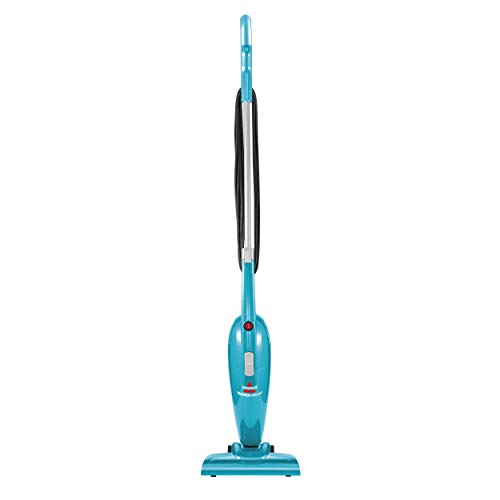
Bissell Featherweight 2033 lightweight stick vacuum converts to handheld. Bagless, corded, with crevice tool for carpets, hard floors, and stairs.
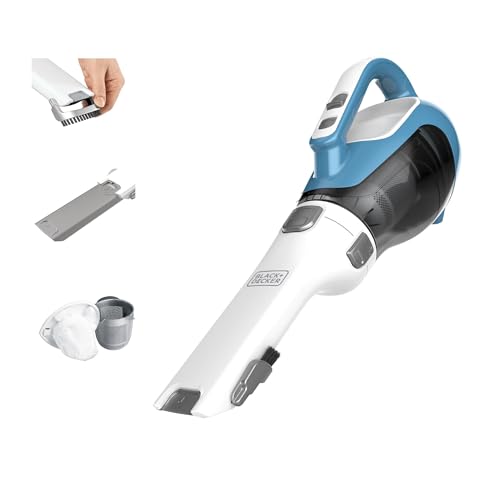
BLACK+DECKER Dustbuster AdvancedClean cordless handheld vacuum with cyclonic suction and 16V battery. Great for home and car. Read our expert review now.
Ready to Find Your Perfect Vacuum?
Browse our expertly reviewed vacuum cleaners and make an informed decision
Browse All Vacuums