Best Vacuum for Popcorn Ceiling Debris: Cleaning Up During and After Renovation
Popcorn ceiling removal creates a massive debris field that standard vacuums cannot handle. Here are the best vacuums for popcorn ceiling dust and debris during renovation.
Table of Contents
Popcorn ceiling removal is one of the messiest renovation projects a homeowner can undertake. The textured spray-on surface — called acoustic or popcorn ceiling, applied widely in homes built between the 1950s and 1990s — comes off in chunks, sheets, and an enormous quantity of fine white dust that settles on every horizontal surface in the room and beyond. Cleaning it up properly requires equipment designed for heavy construction debris and fine particulate — not the household vacuum you use on carpet.
There is also a safety consideration that must be addressed before any equipment recommendation. Popcorn ceiling material applied before 1980 may contain asbestos. Asbestos was commonly used in spray-on acoustic textures as a fire retardant and acoustic dampening agent. Disturbing asbestos-containing material releases microscopic fibers that cause mesothelioma and lung cancer. Before scraping or removing any popcorn ceiling in a home built before 1980, test the material for asbestos using an accredited lab test kit (available at hardware stores) or hire a certified asbestos inspector.
If asbestos is present, the removal is not a DIY project under any circumstances. Licensed asbestos abatement contractors with appropriate containment, respirators, HEPA vacuums rated for asbestos collection, and legal disposal protocols are required. This guide addresses post-asbestos-testing renovation cleanup for confirmed asbestos-free material, or for homes built after 1980.
The Scope of Popcorn Ceiling Debris
Understanding the debris profile of popcorn ceiling removal helps explain why the equipment requirements are so specific.
Large chunks. Freshly scraped popcorn ceiling material comes off in wet or dry chunks of varying size — from pea-sized pieces to palm-sized sheets depending on application depth and scraping technique. These chunks are the most visible debris and the easiest to manage.
Fine white dust. As the chunks dry and are disturbed, they break down into very fine white powder. This dust is primarily calcium carbonate and binders, with particle sizes ranging from the visible to the sub-micron level. It settles on everything and becomes airborne again every time disturbed. This fine dust is what ordinary vacuum filters fail to contain.
Surface residue. Even after the chunks are collected, a fine layer of white haze remains on all surfaces in and around the workspace. This residue requires thorough vacuum collection followed by damp wiping.
Debris quantity. A standard 12x12 foot room may yield 15 to 25 gallons of wet popcorn ceiling material during scraping. In dry debris terms, this is a substantial volume — far beyond the capacity of a household vacuum dust bin or bag. High-capacity shop vacuums are the only practical equipment.
Essential Safety Equipment for Popcorn Ceiling Cleanup
Before addressing vacuum equipment, the safety requirements for this project:
Respirator. A standard dust mask (N95) is the minimum. For extended work sessions or in enclosed spaces with poor ventilation, an N100 respirator or half-face respirator with P100 filter cartridges is strongly recommended. Fine drywall and ceiling texture dust causes silicosis (progressive lung scarring) with repeated exposure.
Eye protection. Safety glasses or goggles prevent ceiling debris from entering the eyes during scraping and overhead vacuuming.
Work clothing. Clothes that cover all skin. Ceiling debris falls down, and the fine dust works into fabric and skin easily.
Room containment. Doorways and HVAC vents should be covered with plastic sheeting to prevent fine dust migration to the rest of the house. Turn off the HVAC system during the project to prevent debris from entering the duct system.
What to Look for in a Vacuum for Popcorn Ceiling Work
High-capacity collection. You need at least 6 to 9 gallons of collection capacity, and preferably 12 to 16 gallons for a full room scraping project. A vacuum you need to stop and empty every five minutes is not practical for renovation cleanup.
HEPA filtration rated for construction dust. Standard shop vacuum filters are not fine enough for the very fine particles in ceiling texture dust. A HEPA filter cartridge (or a shop vacuum with a HEPA filter bag) rated for fine dust is required. Look for vacuums with filter cartridges specifically rated for fine drywall or construction dust.
Powerful motor. The combination of large chunks, fine dust, and the suction path length of extension hoses requires more motor power than standard household cleanup. 5 to 6 peak HP is the appropriate range for popcorn ceiling cleanup.
Extended hose options. Reaching debris on floors from a standing position, or vacuuming the ceiling surface itself during wet scraping, requires hose extension options. Standard shop vac hose lengths of 7 to 10 feet can be extended with compatible extension wands.
Durable construction. Renovation debris is harder on equipment than household use. The vacuum will be moved through debris fields, potentially bumped and dragged, and operated in dusty conditions continuously. Consumer-grade household vacuum construction is not appropriate for this environment.
The 5 Best Vacuums for Popcorn Ceiling Debris
1. RIDGID 16-Gallon Wet/Dry Vac — Best Overall for Popcorn Ceiling Cleanup
Best for: Full room popcorn ceiling removal, large volume debris collection, professional-grade results
The RIDGID 16-Gallon is the standard recommendation for serious renovation cleanup, and popcorn ceiling removal is exactly the application it was designed for. The 16-gallon capacity accommodates the debris output of a substantial room without constant interruption. The 6.5 peak HP motor provides strong suction through extended hose runs and handles the mixed debris profile of ceiling chunks plus fine dust without losing effectiveness.
With a fine dust filter cartridge (RIDGID’s VF4000 fine dust filter or equivalent) installed, the 16-Gallon captures fine ceiling texture powder at a level that protects the motor and prevents re-distribution of fine particles through the exhaust. The filter cartridge is designed for construction site use — it tolerates the continuous fine dust loading that ceiling texture creates.
The RIDGID’s accessory compatibility allows connection to a standard shop vac hose extension, increasing reach for ceiling-adjacent floor areas and allowing vacuum connection to some sanding and scraping tools that have dust port connections. Lining the 16-gallon drum with a contractor garbage bag before starting allows the entire collected debris to be tied and disposed of without contact.
Pros:
- 16-gallon capacity for full-room ceiling debris
- 6.5 peak HP motor for strong suction through extended hose
- Compatible with fine dust filter cartridges
- Commercial-grade construction tolerates renovation conditions
- Contractor bag liner allows safe, contained disposal
Cons:
- Bulky and heavy when full
- Fine dust filter is a separate purchase
- Louder than household vacuums — hearing protection recommended for extended use
2. DeWalt 9-Gallon Wet/Dry Vac — Best Compact Professional Option
Best for: Smaller rooms, second bathroom or bedroom popcorn ceiling, single-day projects
DeWalt 9-Gallon Wet/Dry Vac DXVCS009
The DeWalt 9-Gallon brings the same professional-grade durability as the RIDGID 16-Gallon in a more compact form that is easier to maneuver in a bedroom or bathroom during ceiling work. At 4.75 peak HP, the motor is somewhat less powerful than the RIDGID 16-Gallon but more than adequate for single-room ceiling debris. The 9-gallon capacity requires more frequent emptying for large rooms but is sufficient for smaller spaces in a single session.
DeWalt’s construction-site presence means the 9-Gallon is designed with the same durability standards as professional power tools — a significant step up from consumer-grade wet/dry vacuums at similar price points. The motor, drum construction, and hose fittings are built for job site conditions, which is appropriate for ceiling renovation work.
Compatible with DeWalt’s fine dust filter cartridges for construction-specific fine particle capture.
Pros:
- Professional construction-grade durability
- More compact than 16-gallon options
- 4.75 peak HP for effective suction through ceiling renovation debris
- DeWalt accessory compatibility
- Easier to maneuver in smaller rooms
Cons:
- 9-gallon capacity requires more frequent emptying in large rooms
- Fine dust filter is a separate purchase
- Less capacity for full living room or large bedroom projects
3. Festool CT 26 HEPA — Best for Fine Dust Capture and Air Quality
Best for: Health-conscious renovation, sensitive individuals, projects requiring maximum dust containment
Festool CT 26 HEPA Dust Extractor
The Festool CT 26 is a professional dust extractor rather than a standard wet/dry vacuum, and it represents a step up in fine dust capture performance over shop vacuum solutions. The CT 26’s HEPA filtration is certified at the H13 classification — 99.95 percent of particles at 0.3 microns — which is the standard used in medical facility cleaning and hazardous material handling.
For popcorn ceiling work specifically, the CT 26’s advantage is twofold: it captures the finest ceiling texture particles more completely than standard shop vacuum fine dust cartridges, and its automatic filter cleaning function (Autoclean) pulses the filter to dislodge accumulated dust and maintain consistent suction throughout the session. On a construction project where dust loading is continuous and heavy, this maintains cleaning performance that a standard shop vac filter degrades without.
The CT 26 connects directly to most power tools with dust port connections — orbital sanders, drywall routers, and some specialty ceiling scraping tools — allowing dust capture at the source rather than only from the floor after debris falls. This source capture approach significantly reduces the total airborne dust in the room during ceiling work.
Pros:
- H13 HEPA filtration for maximum fine particle capture
- Autoclean function maintains suction during continuous dust loading
- Connects to power tools for source dust capture
- Professional dust extractor — not a repurposed consumer product
- Significantly better fine dust performance than standard shop vacs
Cons:
- Substantially more expensive than shop vac alternatives
- 26-liter collection capacity — moderate, not large
- Heavy gauge construction adds weight
- Overkill for one-time use in a single room
4. Vacmaster VBV1210 — Best Budget Wet/Dry Vac for Ceiling Cleanup
Best for: Budget renovation projects, one-time use, infrequent home renovation
Vacmaster VBV1210 12-Gallon Wet/Dry Vac
The Vacmaster VBV1210 is the strongest budget option for popcorn ceiling cleanup, offering 12-gallon capacity and 5 peak HP at a price point well below the RIDGID and DeWalt professional options. For a homeowner undertaking a one-time ceiling renovation rather than a regular renovation project, the VBV1210 provides adequate performance for the task at a more defensible cost.
The included filter is appropriate for general construction debris. For fine ceiling texture dust, upgrade to a fine dust cartridge filter compatible with the Vacmaster’s filter thread standard (available from third-party manufacturers). The 12-gallon capacity handles a medium-sized room ceiling in one session without emptying.
The primary limitation compared to the RIDGID and DeWalt options is construction quality — the VBV1210 is a consumer-grade product built to a price point, and its motor and housing durability over repeated renovation use is lower. For a single room project with no follow-on renovation planned, this is acceptable.
Pros:
- Most affordable large-capacity option
- 12-gallon capacity for medium-room ceiling cleanup
- 5 peak HP motor for adequate suction
- Widely available
Cons:
- Consumer-grade construction quality below professional alternatives
- Standard filter insufficient for fine ceiling texture dust — upgrade required
- Lower motor durability for repeated heavy use
- Hose and accessory quality below professional-grade alternatives
5. Miele S7580 — Best for Post-Renovation Fine Dust Cleanup
Best for: Final cleanup after renovation crew has done primary debris removal, household use after project completion
Miele S7580 Upright HEPA Vacuum
Once the major popcorn ceiling debris has been collected with a shop vac and the renovation is complete, the fine white dust residue that has settled on every surface in the home requires a different approach. Standard shop vacuums, having done the heavy lifting during the project, are not the right tool for the final fine dust cleanup on carpets, upholstery, and finished surfaces.
The Miele S7580’s sealed HEPA filtration — H13 rated — captures fine ceiling texture dust from finished floors, carpets, and low surfaces without redistributing it through the exhaust. The S7580’s ability to operate with a bare-floor nozzle on hard floors and a motorized brushroll on carpets makes it the versatile choice for the whole-home post-renovation fine dust cleanup that a shop vacuum handles less well.
Use the S7580 only after the major debris has been removed by shop vac. It is not designed for construction debris volume or renovation site conditions. It is designed for the thorough fine dust collection that completes a renovation cleanup to livable-home standards.
Pros:
- H13 HEPA filtration for fine ceiling texture dust
- Appropriate for finished surfaces that shop vacs can scratch
- Handles both hard floors and carpets for whole-home post-renovation cleanup
- Quieter and more manageable than shop vacs for extended cleanup sessions
Cons:
- Not appropriate for primary debris collection — use shop vac first
- Cannot handle wet material
- Premium price point
- Filter requires monitoring and replacement after heavy fine dust sessions
Step-by-Step Popcorn Ceiling Cleanup Protocol
During scraping: Use the shop vac continuously at the base of the workspace, collecting falling debris as it comes down. Move the vacuum intake nozzle along the baseboard as you scrape, capturing chunks and dust before they scatter across the room. A helper running the vacuum while you scrape significantly reduces total cleanup time and debris distribution.
Immediately after scraping: Use the shop vac for primary debris collection from all surfaces — floor, windowsills, furniture covers, door frames. Work from the highest accessible surfaces downward to floor level, so debris dislodged from higher surfaces falls to an area not yet cleaned.
Wet wipe pass: A damp microfiber cloth or mop picks up the fine white residue that vacuum collection leaves behind on hard surfaces. This step cannot be replaced by additional vacuuming — the fine particles that cling to hard surfaces after vacuuming require the mechanical contact of a damp surface to collect them.
Final fine dust pass: After the room is dry from the wet wipe, use the Miele or equivalent HEPA household vacuum for a final pass on carpets and soft surfaces. This captures the fine particles that the wet wipe step released back into the air and that resettled on carpets.
Frequently Asked Questions
How do I know if my popcorn ceiling contains asbestos?
The only reliable test is laboratory analysis of a sample. Test kits are available at hardware stores for $30 to $50 — you collect a small sample following the kit instructions and mail it to the designated lab, which returns results within one to two weeks. Any home built before 1980 should be tested before any ceiling disturbance. Homes built after 1986 are effectively zero-risk for asbestos in popcorn ceiling material, as asbestos use in ceiling texture was banned in 1978 (though some materials in inventory were used until the mid-1980s).
Can I use my regular household vacuum for popcorn ceiling debris?
No. The debris volume, particle fineness, and debris weight exceed what household vacuums were designed for. The filter will become saturated with fine ceiling texture dust, reducing suction and potentially causing motor overheating. The dust bin or bag capacity is inadequate for the volume. Use a shop vacuum with a fine dust filter for the renovation phase, then a HEPA household vacuum for the final post-renovation cleanup.
How long does the dust from popcorn ceiling removal last in the air?
Fine ceiling texture particles remain suspended in air for hours after disturbance. Room ventilation and air purifiers with HEPA filters can reduce this significantly, but respiratory protection should be worn throughout the day of scraping and during initial cleanup, regardless of how much time has elapsed since scraping ended. Fine particles in the PM2.5 range (2.5 microns and smaller) can remain airborne for several hours in undisturbed indoor air.
Do I need to seal the floors and furniture before starting?
Yes. Plastic sheeting or drop cloths over flooring and any furniture that cannot be removed significantly reduces the surface area that needs cleaning and protects surfaces from abrasion during the cleanup process. Secure plastic sheeting along the walls with painter’s tape to prevent gaps where debris can get underneath. Cover HVAC vents with tape or plastic to prevent fine dust from entering the duct system.
How do I dispose of the collected popcorn ceiling material?
For confirmed asbestos-free material, standard landfill disposal in heavy contractor garbage bags applies in most jurisdictions. Tie the bags tightly and double-bag if the bag material is thin. Do not compact bags by pressing on them — this can drive fine particles through bag material. Check your local municipality’s guidelines for construction debris disposal, as some areas require separate disposal from standard household waste.
Final Verdict
For the primary cleanup phase of popcorn ceiling removal, the RIDGID 16-Gallon Wet/Dry Vac with a fine dust filter cartridge is the correct tool. Its combination of capacity, motor power, and construction durability matches the demands of ceiling renovation cleanup better than any consumer-grade alternative.
For homeowners prioritizing maximum fine dust capture during renovation — particularly those with respiratory sensitivities — the Festool CT 26 HEPA Dust Extractor represents the premium option, with H13 HEPA certification and continuous autoclean function that maintains performance through heavy dust loading.
After the renovation is complete and the major debris removed, the Miele S7580 or equivalent HEPA household vacuum handles the whole-home fine dust cleanup that completes the project to livable-home standards.
And the one precaution that supersedes all equipment recommendations: test for asbestos before touching any popcorn ceiling in a home built before 1980.
Top Picks
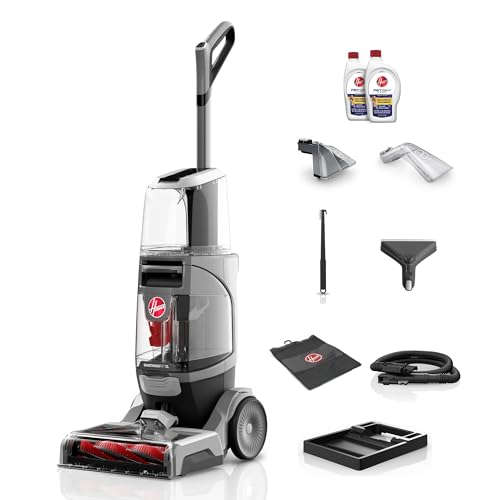
The Hoover SmartWash Pet XL auto-senses wash & dry cycles, features XL 96oz tanks, Spot Boost Mode, and converts to a spot cleaner. Deep clean carpets with ease.

Bissell CrossWave Edge vacuums and mops simultaneously with ZeroGap edge technology. Tangle-free brush roll, self-cleaning mode, and multi-surface design.

Bissell CrossWave Turbo 3888A vacuums and washes floors simultaneously. Two-tank system, 3000 RPM brush roll, safe on tile, wood, laminate, and area rugs.
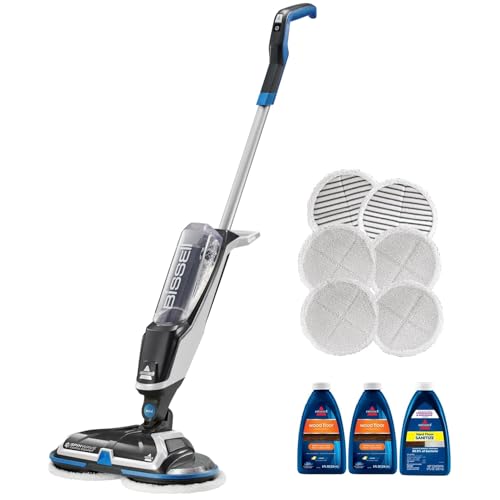
BISSELL SpinWave cordless spin mop with 18V battery, washable pads, and on-demand spray for sealed hard floors. Read the full expert review and specs.

BISSELL ProHeat 2X Revolution Pet Turbo carpet cleaner delivers professional-grade results with 40% more suction, dual cleaning modes, and pet-specific tools.
Ready to Find Your Perfect Vacuum?
Browse our expertly reviewed vacuum cleaners and make an informed decision
Browse All Vacuums