Best Vacuum for Workshop: Shop Vacs and Fine Dust Solutions for 2026
Workshop dust is more than a nuisance — fine wood dust and metal particles are genuine health hazards. These are the best workshop vacuums for serious woodworkers, metalworkers, and DIY enthusiasts.
Table of Contents
A clean workshop is not just about tidiness. Workshop dust — specifically the fine particles generated by power tools — is a documented health hazard. The Occupational Safety and Health Administration classifies wood dust as a potential carcinogen. Fine particulate matter below 10 microns in diameter penetrates deep into lung tissue and is not expelled by the body’s natural defense mechanisms. Metal dust from grinding, cutting, and sanding carries its own set of respiratory and contamination risks.
This is not alarmist framing. It is the reason serious woodworkers and metalworkers invest in dedicated dust collection and workshop vacuum systems rather than treating cleanup as an afterthought. The right workshop vacuum does more than make your space look clean — it actively protects your health by capturing the invisible fine dust that shop brooms and leaf blowers simply redistribute into the air you breathe.
This guide covers the full range of workshop vacuum solutions: from portable shop vacs suitable for hobbyist use to dedicated fine dust collection systems for serious craftspeople.
Workshop Dust: Why It Is Different from Household Dirt
Particle Size
When a table saw, router, or angle grinder operates, it generates a spectrum of particle sizes. Large chips and shavings are visible, heavy enough to fall quickly, and easy to sweep. Fine dust — particles below 100 microns — behaves differently. It stays suspended in air for minutes to hours after the tool stops. The finest particles (below 10 microns, known as PM10, and below 2.5 microns, known as PM2.5) are invisible to the naked eye and inhaled directly into lung tissue.
Standard shop vacuums without fine-particle filtration capture the visible debris but redistribute the finest and most dangerous particles back into the shop air through the exhaust. This is why filter rating is the most critical specification for workshop vacuums, not suction power.
Volume and Density
Workshop operations generate significantly higher volumes of debris than household cleaning. A single hour of table saw use can produce several cubic feet of shavings and dust. A shop vacuum used in a workshop environment needs higher capacity, more robust filter cleaning mechanisms, and stronger suction to maintain performance as the collection drum fills.
Wet and Dry Requirements
Workshops regularly involve both dry dust and wet operations: coolant fluids from metal machining, water from wet-sanding, adhesive cleanup, and occasionally flooding from a ruptured hose. A wet/dry vacuum with a separate foam filter sleeve for wet operation is more versatile than a dry-only vacuum for most workshop environments.
Workshop Vacuum Types Explained
Shop Vacuums (Wet/Dry Vacs)
The most common workshop vacuum type. Available from 2 to 20+ gallons, with varying motor sizes and filtration options. The critical differentiation is filter quality — a basic paper filter in a shop vac retains debris above approximately 30-40 microns while releasing everything finer through the exhaust. Upgrading to a pleated cartridge filter or adding a cyclone separator upstream dramatically improves fine particle capture.
Dust Extractors
Dust extractors are shop vacuums designed specifically for fine dust capture. They use multi-stage filtration systems, automatic filter cleaning mechanisms, and are often rated to HEPA standards. Festool, Makita, Bosch, and RIDGID manufacture dedicated dust extractors for professional and serious hobbyist woodworking. These are more expensive than equivalent-capacity shop vacs but provide superior fine particle filtration without requiring aftermarket upgrades.
Cyclone Separators
A cyclone separator is not a vacuum by itself — it is an add-on that attaches between the tool or hose and the collection drum. The cyclonic action separates 95 to 99 percent of large to medium debris before it reaches the vacuum’s filter, dramatically extending filter life and maintaining suction performance throughout long work sessions. Paired with a quality shop vac, a cyclone separator creates a two-stage collection system that approaches dust extractor performance at lower cost.
Central Dust Collection Systems
For dedicated woodworking shops with stationary power tools, a central dust collection system — typically a 1 to 3 HP single-stage or two-stage collector — is more effective than individual shop vacs at each tool station. These are outside the scope of this guide (which focuses on portable vacuum solutions) but are worth considering for any shop where tool-connected dust collection is a primary workflow.
What to Look for in a Workshop Vacuum
Filter Rating
This is the most important specification. Look for HEPA-rated filtration (captures 99.97% of particles at 0.3 microns) for wood dust and fine metal particles. At minimum, use a pleated cartridge filter with a stated micron rating rather than a flat panel paper filter. Many quality workshop vacuums support optional HEPA filter upgrades.
Cyclone Separation
Even if your vacuum has excellent filtration, a cyclone separator upstream protects the filter from rapid clogging. A clean filter maintains full suction; a clogged filter drops suction and forces fine particles through the filter media under pressure. Cyclone separation extends the interval between filter cleanings from every 30 minutes to several hours of tool use.
Auto-Cleaning Filter Systems
Some dust extractors include automated filter cleaning — a brief reverse-pulse that dislodges accumulated dust from the filter during operation, maintaining consistent filtration efficiency without manual cleaning. This is a significant convenience feature for extended woodworking sessions.
Hose Diameter and Length
Workshop tools generate high debris volume and need correspondingly large hose diameter. Standard 1.25-inch shop vac hoses work for small bench tools. Power tools (table saws, planers, routers) generate enough volume to require 2.5-inch hoses. Many dust extractors use 36mm or 50mm hose standards — verify compatibility with your tools before purchasing.
Dust Bag Capacity
A collection drum that fills quickly means frequent stops during a work session. For extended operations, 10 to 16 gallons is the practical minimum. Alternatively, a cyclone separator with a large bulk collection container (a dedicated trash can, for example) combined with a smaller vacuum for final filtration provides essentially unlimited capacity before emptying.
Best Workshop Vacuums in 2026
1. Festool CT 26 E HEPA Dust Extractor
Festool CT 26 E HEPA Dust Extractor
The Festool CT 26 is the benchmark professional dust extractor for serious woodworkers. The HEPA-rated main filter captures 99.97% of particles at 0.3 microns as standard equipment — no upgrades required. The automatic filter cleaning system pulses the filter during operation, maintaining consistent suction throughout a full work session without manual intervention.
The 6.9-gallon capacity is sufficient for most session-length woodworking operations, and the CT 26 connects directly to Festool’s system of Bluetooth-compatible power tools for automated start/stop operation — when the connected tool powers on, the extractor starts automatically; when the tool stops, the extractor runs briefly to clear the hose and shuts down. This is a genuine workflow improvement for solo woodworkers.
The Festool CT 26 is expensive — significantly more than a comparable-capacity shop vac. The premium pays for filtration integrity, build quality engineered for professional daily use, and the system integration that other manufacturers cannot match. For a hobbyist woodworker, the investment requires honest evaluation of use frequency. For a professional shop, it is standard equipment.
Best for: Professional woodworkers, Festool tool integration, HEPA fine dust capture.
2. RIDGID 50328 WD1450 14-Gallon Wet/Dry Vac with Fine Dust Filter
RIDGID WD1450 14-Gallon Shop Vac
For users who want serious workshop capability without the Festool price, the RIDGID WD1450 with the VF4000 HEPA cartridge filter upgrade is the most practical recommendation. The base machine provides 5.0 peak HP through a stainless steel drum with genuine professional construction. The HEPA filter upgrade (approximately $30) transforms it from a standard shop vac into a fine-dust-capable unit.
The 14-gallon capacity handles substantial debris volumes between emptying sessions. The 2.5-inch hose system connects to most standard power tool dust ports with adapter fittings (sold separately). The blower port doubles as a forced-air cleanup tool for corners and bench surfaces.
Adding a Dustopper or similar cyclone separator upstream (approximately $40) creates a two-stage system that approaches dust extractor performance for under $200 total — a fraction of the Festool CT 26. For a hobbyist or small professional shop on a budget, this combination delivers the essential fine-dust protection without the premium pricing.
Best for: Budget-conscious workshops, high-volume debris, two-stage system compatibility.
3. Makita XCV16Z 18V LXT Cordless/Corded 4-Gallon Dust Extractor
Makita XCV16Z Cordless Dust Extractor
The Makita XCV16Z is a unique product: a HEPA-rated dust extractor that runs on either Makita 18V LXT batteries or standard 120V AC power. For users with an existing Makita battery ecosystem, this provides genuine cordless dust extraction capability — useful for working away from outlets, in outdoor spaces, or in areas where cord management is complicated.
The 4-gallon capacity is smaller than full-size shop vacs, positioning this as a portable connection point for individual power tools rather than a centralized collection station. The onboard HEPA filter requires no upgrade. The dual-power design means battery users are not completely stranded when a battery dies — switch to the AC cord and continue working.
For woodworkers who work in varied locations — a fixed workshop bench some days, outdoor project sites other days — the XCV16Z’s dual-power flexibility is a practical advantage that purpose-built dust extractors or pure cordless shop vacs cannot match.
Best for: Makita battery users, mixed indoor/outdoor work, portable tool-connected dust extraction.
4. CRAFTSMAN CMXEVBE17595 16-Gallon Shop Vac with HEPA Filter Upgrade
CRAFTSMAN 16-Gallon Wet/Dry Vac
CRAFTSMAN’s 16-gallon shop vac is the most widely recommended entry point for workshop vacuum use in the US, available at essentially every major home improvement retailer. The standard cartridge filter it ships with is adequate for coarse debris. Upgrading to the CRAFTSMAN HEPA filter (model number compatible with the CMXEVBE17595) adds fine-dust capability.
The 16-gallon stainless steel drum handles a full day’s worth of workshop debris in most hobbyist applications. The 2.5-inch hose system accommodates high-volume debris from table saws, thickness planers, and router tables. At its price point — typically under $110 for the base machine — it represents the most accessible entry into capable workshop vacuum performance.
For users new to workshop dust collection who want to establish a working system before deciding whether to invest in dedicated dust extraction equipment, the CRAFTSMAN 16-gallon with HEPA filter and a cyclone separator provides a functional and cost-effective starting point.
Best for: Workshop beginners, home improvement retailers, wide accessory availability.
5. Bosch VAC090AH 9-Gallon Dust Extractor
Bosch VAC090AH 9-Gallon Dust Extractor
The Bosch VAC090AH is the mid-tier between the budget shop vac category and the premium Festool level. It uses a multi-stage filter system including a pre-filter, main filter, and a micro-HEPA final filter for fine dust capture. The automatic filter cleaning shakes the filter every 15 seconds during operation, maintaining suction performance without manual intervention.
At 9 gallons, it is smaller than the RIDGID or CRAFTSMAN units above — positioned for tool-connected operation rather than central workshop cleanup. The onboard storage for hose and accessories keeps the unit organized and portable. The Bosch connectivity system supports automatic start/stop with compatible Bosch corded tools.
For woodworkers who want a step up from shop-vac performance without the Festool investment — specifically the automated filter cleaning and multi-stage filtration — the Bosch VAC090AH delivers meaningfully better fine dust management at a mid-range price.
Best for: Mid-tier dust extraction, Bosch tool integration, automated filter cleaning.
Practical Workshop Dust Management Tips
Connect your vacuum directly to power tools. Most table saws, routers, sanders, and jigsaws have dust ports that accept standard vacuum hose connections. Direct tool connection captures the majority of generated dust at the source, before it becomes airborne. This is dramatically more effective than trying to vacuum dust after it has dispersed in the shop air.
Use a cyclone separator. Even with a HEPA filter, capturing bulk debris in a cyclone before it reaches the filter extends filter life and maintains suction through longer sessions. The Oneida Dust Deputy ($40) and Harvey HGS-1 ($60) are the most widely used options and fit most shop vac hoses with minimal modification.
Clean or replace filters regularly. A clogged filter reduces suction and can force fine particles through the filter media. For extended use, tap the filter gently against the inside of the drum after each session to dislodge accumulated dust. Replace cartridge filters annually or when suction noticeably degrades.
Wear a respirator regardless. Even the best workshop vacuum cannot capture 100% of generated fine dust. An N95 or P100 respirator worn during power tool operation provides personal protection independent of the collection system’s performance. This is the professional standard in commercial woodworking operations.
Ventilate the shop. Open windows and doors during and after extended tool use. Fine dust suspended in shop air takes 30 to 60 minutes to settle after the tools stop. A ventilation fan that draws air out of the shop (rather than blowing it around) reduces the concentration of suspended fine particles significantly.
FAQ: Workshop Vacuums
What is the difference between a shop vac and a dust extractor?
A shop vac is a general-purpose wet/dry vacuum designed for debris collection. A dust extractor is specifically engineered for fine dust capture, typically featuring multi-stage filtration, HEPA certification, automated filter cleaning, and tool-connected auto-start features. Dust extractors cost more but provide better fine particle filtration without requiring aftermarket upgrades.
Do I need a HEPA filter for wood dust?
For serious woodworking, yes. OSHA’s permissible exposure limit for wood dust is 5 mg/m3 (soft woods) and 1 mg/m3 (hard woods). Standard shop vac filters do not capture fine wood dust effectively enough to consistently maintain these levels in an enclosed shop. HEPA filtration is the standard recommendation for serious hobbyists and professionals.
Can I use a shop vac for both wet and dry workshop applications?
Yes, but switch filters appropriately. Use the foam sleeve filter for wet applications and the cartridge filter for dry dust. Using a paper or cartridge filter for wet suction can damage the filter and reduce its effectiveness for subsequent dry use.
How often should I empty the workshop vacuum?
For efficiency and filter longevity, empty the drum when it is 50 to 60 percent full. A full drum reduces the airspace that enables cyclonic separation and forces airflow through the debris mass, increasing filter load and reducing suction. With a cyclone separator, you may be emptying the separator container frequently while the vacuum drum fills slowly.
What is a CFM rating and why does it matter for workshops?
CFM (cubic feet per minute) measures the volume of air moved by the vacuum. For workshop applications, higher CFM means more debris-carrying capacity. A table saw requires a vacuum with at least 150 CFM at the tool’s dust port to effectively capture sawdust at the blade. Most full-size shop vacs produce 120 to 200 CFM; dust extractors typically produce 100 to 180 CFM with finer filtration.
The Bottom Line
For workshop vacuuming, the core investment is in filtration quality, not just suction power. A RIDGID or CRAFTSMAN shop vac with an upgraded HEPA filter and a cyclone separator delivers 80 percent of professional dust extractor performance at 25 percent of the cost — a practical starting point for most hobbyist workshops. The Festool CT 26 is the standard recommendation when budget is not the primary constraint and professional-grade performance is required. The Makita XCV16Z fills the cordless/dual-power niche effectively for users who work in varied locations.
Whatever system you choose, the single most important practice is connecting it directly to your power tools during operation. Source capture at the tool is dramatically more effective than trying to collect dispersed dust from shop air after the fact.
Top Picks
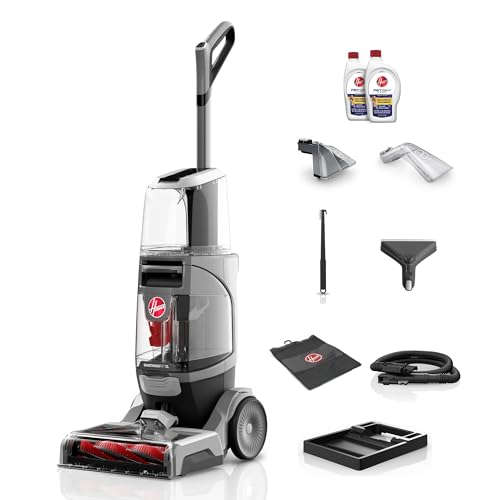
The Hoover SmartWash Pet XL auto-senses wash & dry cycles, features XL 96oz tanks, Spot Boost Mode, and converts to a spot cleaner. Deep clean carpets with ease.

Bissell CrossWave Edge vacuums and mops simultaneously with ZeroGap edge technology. Tangle-free brush roll, self-cleaning mode, and multi-surface design.

Bissell CrossWave Turbo 3888A vacuums and washes floors simultaneously. Two-tank system, 3000 RPM brush roll, safe on tile, wood, laminate, and area rugs.
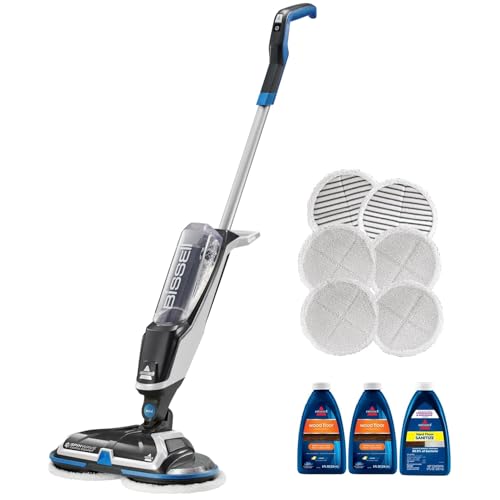
BISSELL SpinWave cordless spin mop with 18V battery, washable pads, and on-demand spray for sealed hard floors. Read the full expert review and specs.

BISSELL ProHeat 2X Revolution Pet Turbo carpet cleaner delivers professional-grade results with 40% more suction, dual cleaning modes, and pet-specific tools.
Ready to Find Your Perfect Vacuum?
Browse our expertly reviewed vacuum cleaners and make an informed decision
Browse All Vacuums