How Often Should You Vacuum? The Complete Guide by Home Type
How often should you vacuum? Expert guide covering pets, kids, allergies, and floor types with recommended vacuuming schedules.
Table of Contents
- How Often Should You Vacuum? The Complete Guide by Home Type
- Why Vacuuming Frequency Matters More Than You Think
- The Core Vacuuming Schedule by Household Type
- Vacuuming Frequency by Area of the Home
- Floor Type Changes Everything
- Signs You Are Not Vacuuming Enough
- The Robot Vacuum Strategy: Daily Maintenance Plus Weekly Deep Clean
- Seasonal Considerations
- Allergy and Asthma Sufferers: Daily If Possible
- Quick Reference: Recommended Vacuuming Schedule
- Frequently Asked Questions
- Top Picks
How Often Should You Vacuum? The Complete Guide by Home Type
There is no single correct answer to this question — and anyone who gives you a flat “once a week” and moves on is oversimplifying. The truth is that the right vacuuming frequency depends on the specific combination of factors inside your home: how many people live there, whether you have pets, what types of floors you have, your health conditions, and how much traffic flows through each area. Get it right and your home is genuinely clean, your air quality improves, and your floors last longer. Get it wrong — either direction — and you are either working harder than necessary or letting allergens, dust mites, and debris quietly accumulate.
This guide cuts through the guesswork and gives you a definitive, situation-by-situation framework so you can build a vacuuming schedule that actually fits your life.
Why Vacuuming Frequency Matters More Than You Think
Most people think of vacuuming as a visible-dirt problem. You vacuum when the floor looks dirty. The problem with that logic is that the most harmful stuff — dust mite allergens, fine particulate matter, pet dander, pollen, mold spores, and bacteria — is invisible to the naked eye. By the time a carpet looks visibly dirty, it has already been harboring a significant load of microscopic debris for days.
Carpet fibers, in particular, act like a filter. They trap particles that would otherwise circulate in the air, which is both good and bad. Good because it keeps those particles out of your lungs temporarily. Bad because without regular vacuuming, that filter becomes saturated and starts releasing particles back into the air with every footstep. Studies from the American Lung Association and various allergy research organizations consistently find that infrequent vacuuming is one of the primary contributors to poor indoor air quality in residential settings.
Regular vacuuming also extends the life of your flooring. Abrasive particles like sand, grit, and fine soil grind against carpet fibers and scratch the finish on hardwood when left in place. Removing them consistently protects your investment.
The Core Vacuuming Schedule by Household Type
No Pets, No Kids: 1 to 2 Times Per Week
If you live alone or with another adult, have no pets, and lead a relatively tidy lifestyle, vacuuming once or twice a week is generally sufficient for most areas of your home. Dust accumulates constantly from skin cells, fibers from clothing and furniture, and outdoor particles tracked inside, so skipping more than a week starts to allow that buildup to reach levels where air quality is measurably affected. Twice a week is the more comfortable standard for most households in this category, giving you a mid-week and end-of-week clean that keeps things consistently fresh.
Homes with Pets (Light Shedding): 2 to 3 Times Per Week
Dogs and cats that shed lightly — think short-haired breeds like Beagles, Boxers, or Siamese cats — still deposit a meaningful amount of dander and hair every single day. Hair embeds into carpet loops and accumulates in corners and along baseboards faster than most pet owners expect. Vacuuming 2 to 3 times per week keeps hair from matting into fibers, reduces dander levels in the air, and prevents the kind of slow buildup that eventually requires deep cleaning sessions to reverse.
Pay particular attention to the areas where your pet spends the most time — favorite resting spots, doorways they pass through repeatedly, and any upholstered furniture they are allowed on.
Homes with Pets (Heavy Shedding): 3 to 7 Times Per Week
Heavy-shedding breeds demand a fundamentally different approach. Dogs like German Shepherds, Huskies, Golden Retrievers, Bernese Mountain Dogs, and Great Pyrenees can deposit an almost unbelievable amount of hair and dander in a single day. For households with one or more of these dogs, vacuuming every other day is the minimum, and daily vacuuming is genuinely the realistic standard during peak shedding periods.
During active shedding seasons — typically spring and fall, when double-coated breeds blow their undercoats — daily vacuuming is not excessive. It is the practical baseline. Attempting to do a single large weekly vacuum during a shedding season means fighting against an entrenched layer of hair that has woven itself into your carpet. Daily maintenance passes are dramatically faster and more effective than periodic deep battles.
Homes with Children: 3 to 4 Times Per Week
Kids bring an entirely different category of mess. The concerns go beyond visible crumbs and tracked-in dirt to include microscopic food particles that attract pests, playground dirt and grass that introduce biological material into flooring, arts-and-crafts debris, and the general high-traffic pattern that comes with children who move through every room in the house with energy and unpredictability.
For households with toddlers and young children who spend time on the floor, 3 to 4 times per week is the appropriate standard. The combination of floor-level activity and a child’s developing immune system makes clean flooring a genuine health matter, not just an aesthetic preference. Pay extra attention to playroom floors, high chairs, kitchen areas, and entry points from outdoors.
Vacuuming Frequency by Area of the Home
Beyond household type, different areas of your home accumulate dirt at very different rates and deserve customized attention.
High-Traffic Areas: Daily or Every Other Day
Entryways, front hallways, and mudrooms are the intake valves for every outdoor contaminant that enters your home. Soil, pollen, tracked-in pesticides, road grime, and seasonal debris all concentrate here first. Vacuuming or sweeping these areas daily — or at minimum every other day — dramatically reduces how much of that material migrates deeper into your home. The same logic applies to living rooms and main family areas where foot traffic is constant throughout the day. A quick daily pass with a robot vacuum or lightweight cordless vacuum over these zones is one of the highest-impact cleaning habits you can build.
Living Rooms and Common Areas: 2 to 3 Times Per Week
These spaces accumulate a combination of tracked-in debris, shed skin cells, pet dander, and dust at a rate that warrants attention multiple times per week in most households. A twice-weekly schedule is appropriate for low-to-moderate traffic; three times per week if you have pets or children in the mix.
Bedrooms: 1 to 2 Times Per Week
Bedrooms are primarily impacted by skin cell shedding (which happens continuously during sleep), dust mite populations in and around mattresses, and pet dander if animals sleep in the room. Weekly vacuuming of bedroom carpets is a minimum; twice weekly is better, especially if you have allergies or asthma. Do not overlook under the bed — that area concentrates dust bunnies and is particularly relevant to dust mite populations.
Low-Traffic Areas (Guest Rooms, Formal Dining Rooms): Weekly or Less
Rooms that see little daily use genuinely do not require aggressive vacuuming schedules. A weekly or even bi-weekly pass through a guest room that is rarely occupied is entirely reasonable. The primary concern in low-traffic areas is dust accumulation on carpet fibers over time, so monthly at the absolute minimum is still advisable.
Stairs: Weekly at Minimum
Stairs are one of the most neglected areas in home vacuuming routines, but they accumulate dirt and debris at a high rate due to constant foot contact, and the geometry of stair treads and risers traps material that does not easily migrate elsewhere. Weekly vacuuming of carpeted stairs is appropriate for most homes; twice weekly if you have pets.
Floor Type Changes Everything
Carpet: Vacuum More Frequently
Carpet is the most demanding flooring type in terms of vacuuming frequency. Its fibrous structure traps particulates at multiple levels — surface debris, embedded mid-layer dirt, and deep-pile accumulation — and a single pass with a vacuum does not always reach material that has worked its way down into the pile. High-pile carpets, Berber, and shag styles require more frequent attention than low-pile or commercial-grade carpets because debris embeds more deeply and more easily. For carpeted homes with pets or allergies, you should essentially treat every floor as high-priority and vacuum on the aggressive end of whichever schedule applies to your household type.
Hardwood and Engineered Hardwood: Sweep or Robot Daily, Deep Vacuum Weekly
Hard floors do not trap debris the way carpet does — which actually means loose particles like dust, pet hair, and sand sit on the surface where they are visible and where foot traffic redistributes them constantly. For hard floors, a daily sweep or robot vacuum pass to remove surface debris is highly effective and prevents abrasive particles from scratching the floor finish. A weekly deep vacuum with a hard-floor setting (brush roll off or gentle suction) handles what the daily sweeping misses. Avoid aggressive brush rolls on hardwood — they can scratch the finish over time.
Tile and Vinyl: Sweep Daily, Vacuum Weekly
Tile grout lines trap dirt and debris effectively and can be challenging to clean once buildup is established. Daily sweeping or robot passes prevent accumulation in grout lines, while a weekly vacuum picks up fine particles the broom redistributes rather than removes.
Laminate: Treat Like Hardwood
Laminate flooring is scratch-sensitive and should be treated with the same combination of daily light cleaning and weekly vacuuming that works for hardwood. Use a soft-bristle or hard-floor attachment and avoid beater bars.
Signs You Are Not Vacuuming Enough
Your home will give you clear signals when your vacuuming schedule is falling short:
- Visible dust bunnies in corners and along baseboards — these form when loose debris is not captured before it migrates and clumps.
- Carpet that looks dull or matted — embedded dirt weighs down fibers and strips the pile of its appearance.
- Increased allergy or asthma symptoms indoors — if you notice more sneezing, congestion, or respiratory irritation at home, inadequate vacuuming frequency is a common culprit.
- Pet hair visible on hard floors and furniture — surface hair accumulation signals that you are behind on maintenance.
- A musty smell in carpeted rooms — organic debris like food particles and skin cells begin to decompose when left in place, producing noticeable odors.
- Visible tracking patterns in carpet pile — high-traffic paths that look noticeably darker or more compressed than surrounding areas indicate embedded dirt.
- Pest activity — crumbs and food debris in carpet and along floors attract insects and other pests. Consistent vacuuming is one of the most effective pest prevention strategies.
The Robot Vacuum Strategy: Daily Maintenance Plus Weekly Deep Clean
Robot vacuums have changed the practical calculus of home cleaning, and using them correctly is about understanding what they are genuinely good at and where they fall short.
What robot vacuums do well: Daily surface maintenance. A robot running every day prevents the accumulation of hair, dust, and surface debris before it has a chance to embed or build up. For households with pets, a daily robot vacuum pass is transformative — it manages the continuous shedding between your manual vacuuming sessions and keeps the home consistently presentable.
Where robot vacuums fall short: Deep cleaning. Most robot vacuums lack the suction power and agitation of a full-size upright or canister vacuum, and their random or grid-based navigation means they may miss edges, corners, and areas under furniture consistently. They also cannot handle stairs.
The optimal strategy: Let a robot vacuum run daily (or every other day at minimum) to handle surface maintenance. Supplement with a full-size upright, canister, or powerful cordless vacuum once a week for deep cleaning passes that address embedded dirt, edges, corners, and stairs. This combination is significantly more effective than either approach alone and requires less total manual effort than trying to do everything with a single weekly manual session.
Schedule your robot for overnight or daytime runs when the space is unoccupied for best coverage results.
Seasonal Considerations
Spring and Fall Shedding Season
If you have pets with double coats, spring and fall represent your peak vacuuming demand periods. During these 4 to 8 week windows when dogs blow their undercoats, daily vacuuming is not optional — it is the reasonable response to the volume of hair your pet is producing. Many experienced pet owners run their robot vacuums twice daily during peak shedding and do weekly deep manual passes on top of that.
Simultaneously, spring brings a surge in outdoor pollen that enters your home on clothes, shoes, and through open windows. Increasing vacuuming frequency in high-traffic areas and bedrooms during high-pollen periods directly reduces indoor allergen load.
After Renovation or Construction
Post-renovation cleaning requires a dedicated and aggressive approach. Construction dust — particularly from drywall work, sanding, or tile cutting — is extremely fine and permeates carpet fibers, upholstery, and every surface in the affected area. Standard vacuums are sometimes overwhelmed by the volume of fine dust. After any renovation work, plan on multiple vacuuming passes over several days, and consider using a vacuum with a sealed HEPA system to prevent fine particles from being exhausted back into the air. The standard rule of thumb is to vacuum affected areas daily for at least a week post-renovation.
Winter Months
Homes closed up for winter with recirculated air and lower humidity tend to see elevated dust accumulation. Track-in from winter shoes (salt, sand, and ice melt chemicals) is also a concern at entry points. Maintain or increase your entry area vacuuming frequency during winter months to prevent abrasive materials from being tracked into the rest of the home.
Spring Cleaning
Spring is the traditional time for deep cleaning that goes beyond routine maintenance — moving furniture to vacuum underneath and behind, treating carpet edges and baseboards, and considering professional carpet cleaning if it has been more than a year. This annual deep clean resets the baseline for the rest of the year.
Allergy and Asthma Sufferers: Daily If Possible
For anyone managing allergies, asthma, or other respiratory conditions, vacuuming frequency is a direct health intervention, not just a housekeeping preference. The American Academy of Allergy, Asthma & Immunology recommends vacuuming high-traffic areas and bedrooms daily for allergy sufferers. Combined with allergen-proof mattress and pillow covers, air purifiers, and regular filter changes in your HVAC system, a daily vacuuming habit can produce measurable reductions in indoor allergen levels.
Use a vacuum with a sealed HEPA filtration system — this is non-negotiable for allergy management, as a vacuum without sealed filtration can exhaust fine particles back into the air during cleaning, making the situation worse rather than better.
Quick Reference: Recommended Vacuuming Schedule
| Situation | Recommended Frequency |
|---|---|
| No pets, no kids | 1-2x per week |
| Light-shedding pets | 2-3x per week |
| Heavy-shedding pets | 3-7x per week (daily during shedding season) |
| Kids in the home | 3-4x per week |
| High-traffic areas (entryways, living room) | Daily or every other day |
| Bedrooms | 1-2x per week |
| Low-traffic areas (guest room) | Weekly or less |
| Allergy/asthma sufferers | Daily if possible |
| Post-renovation | Daily for 1+ week |
Frequently Asked Questions
Is it possible to vacuum too often?
For most floor types, no — more frequent vacuuming is not harmful. The one caveat is that very aggressive brush rolls used repeatedly on delicate rugs or certain carpet types can contribute to fiber wear over time. Using appropriate settings and attachments eliminates this concern for routine daily use.
Does vacuuming every day make a difference?
Yes, significantly, especially in homes with pets or allergy sufferers. Daily vacuuming of high-traffic areas dramatically reduces the accumulation of allergens, hair, and debris before they embed into surfaces.
How long should a single vacuuming session take?
For a typical room, a thorough vacuuming pass should take 5 to 10 minutes. Many people rush through vacuuming too quickly, covering ground faster than the vacuum can effectively pick up debris. Slow, overlapping passes — especially on carpet — are more effective than fast single passes.
Should I vacuum before or after dusting?
Always dust first, vacuum second. Dusting displaces particles from surfaces onto the floor; vacuuming afterward captures them. Reversing the order means you vacuum and then re-deposit dust onto your clean floors.
How often should I change or clean my vacuum filter?
Most manufacturers recommend checking filters monthly and replacing or washing them every 3 to 6 months depending on use intensity. HEPA filters in homes with heavy pet traffic or allergies often need replacement closer to the 3-month end of that range.
Does the time of day matter for vacuuming?
Not dramatically for cleaning effectiveness. However, vacuuming in the morning gives particles disturbed during cleaning time to settle and be re-captured. If you vacuum right before bed, disturbed allergens may settle on your bedding. Morning vacuuming followed by a few hours before you use the space is a practical approach for allergy sufferers.
Can I rely solely on a robot vacuum?
For maintenance, yes — a high-quality robot vacuum running daily does an excellent job of preventing buildup. For thorough cleaning, no. You will need a full-size vacuum for edge cleaning, deep pile extraction, stairs, and periodic deep cleaning of carpets.
Building a vacuuming schedule that matches your actual home and lifestyle is the key to getting this right. There is no universal answer, but using the framework in this guide — starting with your household type, layering in floor type and traffic patterns, and adjusting for health needs and seasons — gives you a schedule you can actually follow that will keep your home genuinely clean, not just visually tidy.
Top Picks
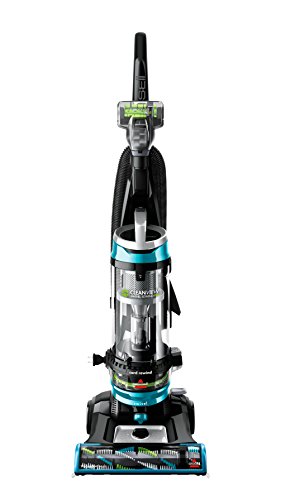
Bissell CleanView Swivel Rewind Pet 2254 bagless upright vacuum with triple action brush roll, swivel steering, and automatic cord rewind for pet hair.

Bissell CleanView Swivel Rewind 3837 upright vacuum with automatic cord rewind, triple action brush roll, swivel steering, and multi-cyclonic suction power.
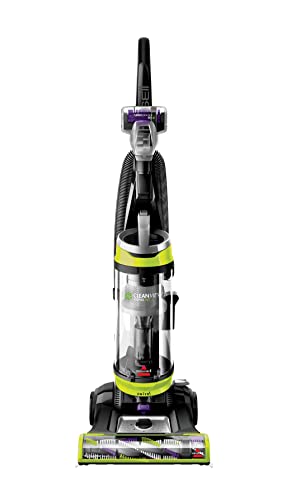
Bissell CleanView Swivel Pet 2252 upright vacuum with triple action brush roll and scatter-free technology. Designed for pet homes. Buy now!
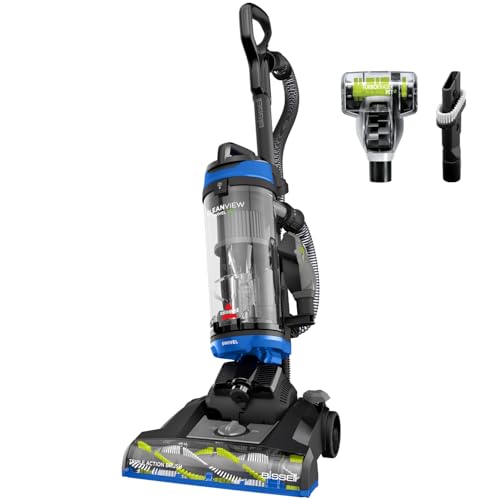
Bissell CleanView Swivel Pet upright vacuum with Triple Action Brush Roll, swivel steering, extension wand, and Scatter-Free Technology. Expert review.
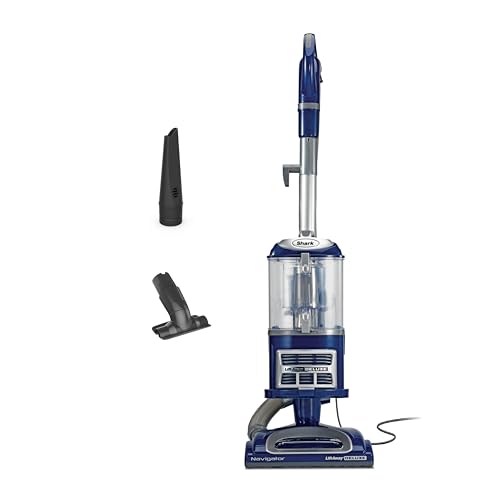
Shark Navigator Lift-Away NV360 delivers powerful suction with HEPA filtration and swivel steering. Perfect for pet hair and allergens. See full expert review.
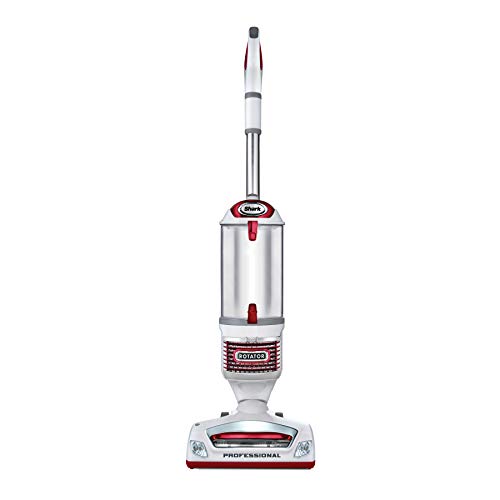
Shark NV501 Rotator Professional Lift-Away upright vacuum features HEPA filtration, swivel steering, LED headlights, and a detachable pod for portable cleaning.
Ready to Find Your Perfect Vacuum?
Browse our expertly reviewed vacuum cleaners and make an informed decision
Browse All Vacuums