How to Get Dog Hair Out of Carpet: 6 Methods That Actually Work
How to get dog hair out of carpet — 6 proven methods from rubber squeegees to fabric softener tricks that remove embedded pet fur fast.
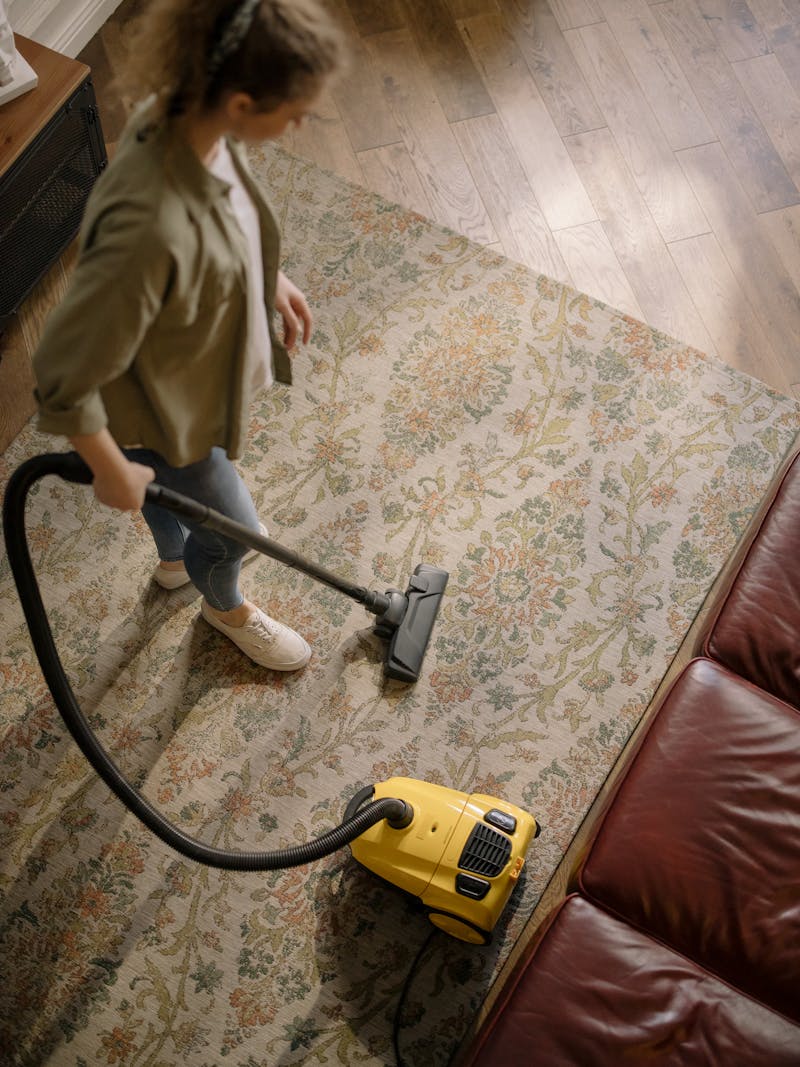
Table of Contents
- Why Dog Hair Gets So Embedded in Carpet
- Method 1: Vacuuming Technique (Slow, Deliberate, Multi-Pass)
- Method 2: Rubber Squeegee on Carpet
- Method 3: Rubber Gloves or Damp Hands Technique
- Method 4: Fabric Softener Spray
- Method 5: Pumice Stone or Rubber Brush on Carpet
- Method 6: Robot Vacuum for Daily Prevention
- Best Vacuum Types for Dog Hair in Carpet: What to Look For
- Prevention Tips: Grooming and Area Rugs
- How to Keep Carpet Cleaner Longer With Dogs
- Frequently Asked Questions
- Top Picks
If you share your home with a dog, you already know the battle: no matter how often you clean, pet hair finds its way into every room — and nowhere does it cling more stubbornly than in carpet. Unlike hard floors where fur sits on the surface, carpet fibers act like tiny hooks, grabbing individual hairs and weaving them deep into the pile. A single pass with a regular vacuum barely scratches the surface.
The good news is that professional cleaners and experienced dog owners have figured out a set of proven methods that actually work. Some use specialized tools, some use household items you already own, and some are about building the right habits before the hair takes over. This guide walks you through all of them — start to finish — so you can reclaim your carpets for good.
Why Dog Hair Gets So Embedded in Carpet
Before diving into solutions, it helps to understand the problem. Dog hair does not just rest on top of carpet fibers the way it does on a hard floor. Static electricity, foot traffic, and the natural structure of carpet pile all work together to drive individual hairs down into the base of the carpet. Over time, those hairs get compressed and tangled around the carpet fibers themselves.
This is why even a powerful upright vacuum can leave behind a surprising amount of fur after multiple passes. The suction is strong enough to pull debris from the surface, but embedded hair is essentially locked in place until something mechanically disrupts it first. That is the key insight behind every effective method below: loosen the hair from the fibers before — or while — you vacuum.
Method 1: Vacuuming Technique (Slow, Deliberate, Multi-Pass)
The most common mistake people make when vacuuming dog hair from carpet is moving too fast. Speed is the enemy here. A vacuum head needs time over each section to create enough sustained suction to pull embedded hair free from the pile.
How to do it right:
- Slow your pass to roughly half your normal walking speed. Count to three as you push forward, then count to three as you pull back.
- Vacuum in multiple directions — once north to south, then east to west. Carpet fibers lean in one direction from foot traffic, and cross-passes help lift hair that was pressed flat against the grain.
- Use the pet turbo attachment if your vacuum includes one. These attachments have a motorized brush roll spinning at high RPM specifically to agitate carpet fibers and pull hair up before suction draws it in.
- Empty the canister or replace the bag when it is half full. A full dust cup chokes suction, and you need maximum airflow for pet hair removal.
- Overlap each pass by about 30 percent. It feels redundant but it ensures full coverage.
Vacuuming alone will not remove everything — especially in high-traffic areas where hair has been ground in over weeks — but a proper slow multi-directional technique removes far more than a quick once-over.
Method 2: Rubber Squeegee on Carpet
A window squeegee is one of the most effective tools for dog hair removal that almost no one talks about. The rubber blade creates friction against carpet fibers, physically dragging hair upward and clumping it into visible rows that you can then pick up by hand or vacuum away in a single easy pass.
How to do it:
- Use a standard rubber-bladed squeegee with a long handle so you do not have to kneel.
- Pull the squeegee toward you in firm, short strokes — about 12 to 18 inches per stroke.
- You will see hair accumulating in a line ahead of the blade almost immediately. This is hair that had been completely invisible and that your vacuum was missing entirely.
- Gather the clumped hair with your hand or a dustpan, then vacuum the area normally to pick up anything left behind.
This method is particularly effective on low-pile and medium-pile carpets. On deep shag carpet, a squeegee can be harder to drag and you may need more force, but it still works well. Keep a squeegee in each room where your dog spends the most time — it takes under two minutes to do a full sweep and the results are immediately visible.
Method 3: Rubber Gloves or Damp Hands Technique
Rubber gloves are excellent for smaller areas, upholstery, stairs, and any spot where pulling out a full squeegee feels like overkill. The same friction principle applies: rubber creates static and drag that lifts hair and rolls it into clumps.
How to do it:
- Put on a pair of rubber dishwashing gloves or a purpose-made pet hair removal glove.
- Dampen the gloves slightly under the tap — just barely moist, not dripping.
- Run your gloved hands across the carpet in firm, short strokes. The hair will ball up in front of your fingers almost immediately.
- Collect the clumps and discard them, then vacuum the area.
The damp-hands version works similarly if you do not have rubber gloves handy. Simply dampen your palms slightly and drag them across the carpet surface. It is less efficient than gloves because you lose the friction benefit of rubber, but in a pinch it still lifts a surprising amount of hair that vacuuming alone would miss.
This is the best method for stairs, where running a vacuum is awkward and a squeegee is impractical. Work each stair riser and tread individually with gloved hands, then follow with a handheld vacuum or crevice tool.
Method 4: Fabric Softener Spray
Dog hair embeds in carpet partly because of static electricity — the hair is literally attracted to and held by the carpet fibers on a microscopic level. Fabric softener neutralizes that static charge, loosening the bond between the hair and the carpet so that your vacuum can extract it far more effectively.
How to make and use it:
- Mix one part liquid fabric softener with three parts water in a spray bottle.
- Lightly mist the carpet — you want it barely damp, not wet. Over-saturating can leave residue or cause the carpet backing to take on moisture.
- Let it sit for about two to three minutes.
- Vacuum normally. You will notice significantly more hair being picked up compared to vacuuming a dry carpet.
This method also leaves the carpet smelling fresh, which is an added benefit in homes with dogs. Use it once a week as part of your regular routine rather than every day — the goal is to break static periodically, not to continually wet the carpet fibers.
One caution: always test a small inconspicuous area first to make sure the fabric softener does not discolor or affect the texture of your specific carpet type.
Method 5: Pumice Stone or Rubber Brush on Carpet
A pumice stone or a dedicated rubber carpet rake is excellent for deep-pile carpets and for areas where hair has been accumulating undisturbed for a long time. The rough or rubbery surface grabs fibers and rolls hair into large clumps that are easy to pick up.
How to do it:
- Use a pumice stone designed for carpet (different from a pumice stone for skin — the carpet version is larger and more abrasive).
- Alternatively, a rubber pet hair brush, rubber carpet rake, or even a stiff-bristled broom with rubber tips will work.
- Drag the tool across the carpet in short strokes, working in one consistent direction.
- The hair will gather into dense, easily removable clumps in front of the tool.
- Collect the clumps, then vacuum thoroughly to pick up fine debris.
This method is especially useful for the area around your dog’s bed or a favorite resting spot, where hair can build up into a thick matted layer over time. It is more labor-intensive than squeegeeing but produces dramatic results in heavily soiled areas.
Method 6: Robot Vacuum for Daily Prevention
One of the most effective long-term strategies for managing dog hair in carpet is not reactive cleaning — it is daily prevention. A robot vacuum running every day prevents hair from accumulating and embedding deeply in the first place. When hair never gets the chance to work its way down into the pile, regular vacuuming becomes far more effective and your carpets stay cleaner between deep-cleaning sessions.
What to look for in a robot vacuum for pet hair:
- Rubber roller brush rather than bristle brush. Bristles tangle with hair and require frequent cleaning. Rubber rollers agitate carpet without grabbing onto fur.
- Strong suction rated at 2000 Pa or higher for carpet use.
- Self-emptying base, so the canister does not fill and lose suction after a single run.
- Scheduling capability so it runs automatically once a day, ideally while you are out.
Set your robot vacuum on a daily schedule in the rooms where your dog spends the most time. This single habit change can reduce the amount of manual cleaning you need to do by more than half, because you are addressing hair before it embeds rather than after.
Best Vacuum Types for Dog Hair in Carpet: What to Look For
Not every vacuum handles dog hair in carpet well. When choosing or upgrading, look for these features:
Motorized brush roll with pet setting: A powered brush roll physically agitates carpet fibers to dislodge embedded hair before suction pulls it away. Some vacuums have a “pet” or “max” setting that increases brush roll speed for this purpose.
High suction power (2000 Pa or higher for uprights): Suction alone cannot free deeply embedded hair, but it still needs to be strong enough to draw loosened hair into the machine. Weak suction leaves dislodged hair on the surface.
HEPA filtration: Dog hair comes with dander, and dander particles are small enough to pass through standard filters and recirculate into the air. A HEPA filter traps these particles and is especially important for allergy sufferers.
Large capacity canister or bag: Pet hair fills dust cups fast. A larger capacity means you can finish cleaning a full room without stopping to empty mid-job and losing suction.
Tangle-free technology: Some vacuums marketed for pets include brush rolls designed to prevent hair from wrapping and clogging, which is one of the most common maintenance headaches for dog owners.
Upright vacuums with motorized brush rolls generally outperform stick vacuums for embedded hair in carpet. Canister vacuums with powered turbo heads are also excellent. Avoid cheap bagless uprights with thin plastic brush rolls — they tangle and lose suction quickly under heavy pet hair loads.
Prevention Tips: Grooming and Area Rugs
The less hair your dog sheds onto the carpet, the less you have to remove. A few prevention habits make a significant difference:
Establish a grooming schedule. Brushing your dog two to three times per week — or daily during heavy shedding seasons — removes loose hair before it falls. What you collect in a brush is hair that never reaches your carpet. For heavy shedders, an undercoat rake or deshedding brush like a Furminator removes the dense undercoat that accounts for the majority of loose fur.
Place area rugs in high-traffic pet zones. Identify where your dog spends the most time — the sofa corner, the path from the door to the water bowl, the spot in front of the TV — and place washable area rugs in those locations. When those rugs get saturated with hair, you can take them outside, shake them out, and toss them in the wash. This concentrates the bulk of pet hair removal to a manageable, washable surface instead of your wall-to-wall carpet.
Use a dog bed or dedicated mat. Dogs shed most heavily where they rest. A dog bed with a removable, machine-washable cover channels most of that heavy shedding into one easy-to-clean spot.
How to Keep Carpet Cleaner Longer With Dogs
Once you have done a thorough cleaning, maintaining the results is far easier than starting from scratch each time. A few habits extend the time between deep cleans significantly:
- Run a robot vacuum daily. As noted above, this single habit prevents deep embedding.
- Vacuum high-traffic areas every two to three days with a proper slow, multi-pass technique rather than waiting for a weekly deep clean.
- Spot-clean immediately. If you see a visible clump of hair, pick it up right away rather than letting foot traffic grind it in.
- Use the fabric softener spray once a week on the heaviest-use areas to prevent static buildup.
- Rotate area rugs every few months so wear and hair accumulation is distributed evenly.
- Schedule a professional carpet cleaning once or twice a year. Hot water extraction (steam cleaning) reaches the base of carpet fibers where even the best home methods have limits. Annual professional cleaning resets the carpet and removes allergens that accumulate over months.
Frequently Asked Questions
Does baking soda help remove dog hair from carpet? Baking soda does not remove hair directly, but it loosens it slightly and deodorizes the carpet at the same time. Sprinkle it over the carpet, let it sit for 10 to 15 minutes, then vacuum. It is more of a deodorizing step than a hair removal step, but combining it with one of the mechanical methods above is effective.
What is the fastest method for quick dog hair removal? The rubber squeegee is the fastest method for visible, immediate results on medium and low pile carpet. You can clear a large area in under two minutes and the results are dramatic. For a really quick pass, simply run it through the worst areas, collect the hair, and vacuum briefly.
Can I use a lint roller on carpet? Yes, but it is impractical for large areas. Lint rollers work well for stairs, the edges of rugs, and small patches where you just need to clean up a concentrated spot fast. For full room cleaning, a squeegee or rubber brush is far more time-efficient.
How often should I vacuum if I have a dog? At minimum, high-traffic pet areas should be vacuumed every two to three days. If you have a heavy shedder, daily vacuuming (or daily robot vacuuming) in key areas is the most effective approach. Without regular vacuuming, hair embeds progressively deeper and becomes significantly harder to remove.
Will a steam cleaner remove dog hair from carpet? Steam cleaners are excellent for sanitizing and deodorizing carpet, but they are not primarily a hair removal tool. In fact, steaming before removing loose hair can cause the hair to mat more firmly into the fibers. Always vacuum and use a squeegee or rubber brush to remove as much hair as possible before steam cleaning.
Why does my vacuum keep leaving dog hair behind? The most common reasons are: the canister or bag is too full (reducing suction), the brush roll is clogged with wrapped hair, the filter is dirty and restricting airflow, or the vacuum is being pushed too fast. Clean your brush roll and filter, empty the canister, and slow your vacuuming speed. If the problem persists, the carpet may need a mechanical pre-treatment like squeegeeing before you vacuum.
Managing dog hair in carpet is a multi-tool, multi-habit problem — no single method solves it completely on its own. The most effective approach combines mechanical agitation (squeegee, rubber gloves, or rubber brush) to loosen embedded hair, proper slow vacuuming technique to extract it, a static-breaking fabric softener spray for deeper release, and daily prevention with a robot vacuum to stop the buildup before it starts. Add a consistent grooming routine for your dog and washable area rugs in the heaviest-use zones, and you have a system that keeps carpet genuinely clean year-round — even with the shaggiest, most enthusiastic shedder in the house.
Top Picks
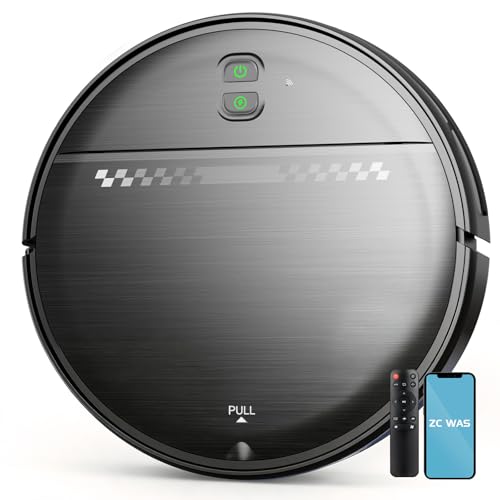
The ZC WAS SCBK robotic vacuum tackles pet hair with automated cleaning convenience. Hands-free floor care at your fingertips. Shop now!
Ready to Find Your Perfect Vacuum?
Browse our expertly reviewed vacuum cleaners and make an informed decision
Browse All Vacuums