Vacuum Cleaner Buying Guide 2026: Everything You Need to Know
Complete vacuum cleaner buying guide for 2026 — covers types, specs, floor types, budget, and top picks to help you choose the perfect vacuum.
Table of Contents
- What Has Changed in Vacuums in 2026
- Step 1: Choose the Right Vacuum Type
- Step 2: Match Your Vacuum to Your Floor Type
- Step 3: Key Specifications Explained
- Step 4: Lifestyle Considerations
- Step 5: Budget Guide
- Top Picks by Scenario
- Red Flags: What to Avoid
- Warranty and After-Sales Service Guide
- Frequently Asked Questions
- The Bottom Line
Buying a vacuum cleaner in 2026 is not the straightforward decision it used to be. Walk into any store or scroll through any retailer and you will face hundreds of models spanning wildly different price points, technologies, and design philosophies. Robot vacuums now map your floor plan with laser precision. Cordless stick vacuums rival corded uprights in raw suction power. Filtration systems have evolved to the point where some vacuums actually clean the air in your home rather than just moving dirt around.
If you bought a vacuum five or ten years ago and are due for an upgrade, the category has changed significantly. This guide cuts through the noise and gives you a clear, step-by-step framework for choosing the right vacuum for your specific home, lifestyle, and budget in 2026.
What Has Changed in Vacuums in 2026
A few years ago, the buying decision basically came down to corded upright vs. cordless stick, bagged vs. bagless, and how much you wanted to spend. That is still part of the equation, but the landscape has expanded in ways that genuinely matter.
Battery technology has matured. Cordless vacuums from reputable brands now routinely deliver 40 to 60 minutes of runtime on a single charge. Some models offer swappable batteries, effectively eliminating runtime as a limiting factor. The performance gap between corded and cordless has narrowed dramatically.
Robot vacuums have become genuinely useful. First-generation robot vacuums bumped around rooms randomly and needed constant supervision. Current models use LiDAR laser mapping or advanced camera systems to create precise floor plans, set virtual no-go zones, and clean in efficient, methodical patterns. Many now mop as well as vacuum, and premium models self-empty into a base that holds weeks of debris.
Suction metrics have gotten more complex — and more marketable. You will now see watts, Pascals (Pa), Air Watts (AW), and kiloPascals (kPa) thrown around in product listings. Understanding what these numbers actually mean is essential to making a good buying decision (we break this down in Step 3).
Filtration standards have risen. True HEPA filtration combined with fully sealed vacuum systems is now available at mid-range price points, not just on premium models. This matters significantly if anyone in your household has allergies, asthma, or is sensitive to pet dander.
Tangle-free brush rolls are now common. If you have ever spent ten minutes cutting hair off a brush roll with scissors, you will understand why this is genuinely newsworthy. Anti-tangle roller technology is now a standard feature in many mid-range cordless vacuums.
Step 1: Choose the Right Vacuum Type
Before comparing specs, pick the right category for your lifestyle. Each type has clear strengths and compromises.
Upright Vacuums
Upright vacuums remain one of the most popular choices for homeowners with significant carpeted areas. The motorized brush roll is mounted directly in the floor head, giving uprights outstanding deep-cleaning performance on carpet. Most models are corded, ensuring consistent suction throughout the cleaning session with no battery to drain.
Best for: Large homes, predominantly carpeted floors, users who prefer one powerful machine for whole-home cleaning.
Drawback: Heavier than stick vacuums, cord limits mobility, less nimble around furniture.
Top pick: Shark Navigator Lift-Away NV360 — HEPA-sealed upright with detachable pod for above-floor cleaning. One of the best-value uprights available.
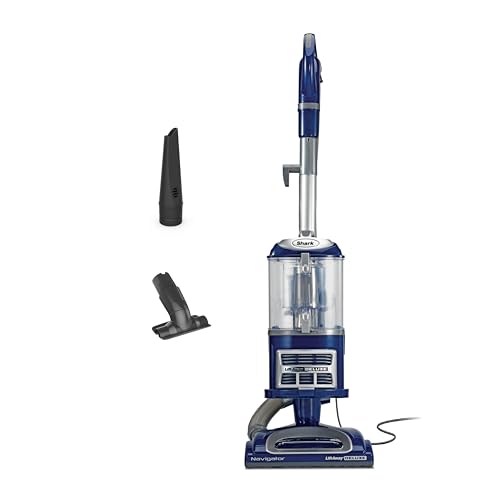
Shark Navigator Lift-Away NV360 delivers powerful suction with HEPA filtration and swivel steering. Perfect for pet hair and allergens. See full expert review.
Cordless Stick Vacuums
Cordless stick vacuums have overtaken uprights in popularity for a reason: they are lightweight, grab-and-go convenient, and 2026 battery technology means they are powerful enough for most daily cleaning needs. They convert to handheld mode for above-floor surfaces and store on a wall mount in a small footprint.
Best for: Apartments, smaller homes, hard floors, daily quick cleans, users who vacuum frequently in short sessions.
Drawback: Battery runtime limits very long sessions; less effective on deep-pile carpet than a corded upright.
Top pick: LEVOIT LVAC-200 Cordless Stick Vacuum — tangle-resistant roller, 50-minute runtime, 5-stage filtration.

LEVOIT LVAC-200 cordless stick vacuum with tangle-resistant roller, 50-min runtime, and 5-stage filtration. Ideal for pet hair and hard floors. See full review.
Robot Vacuums
Robot vacuums are maintenance cleaners, not deep cleaners. The right way to use one is to run it daily or on a schedule so that light debris never has a chance to accumulate. In 2026, the best models feature LiDAR mapping, automatic dirt disposal, and combined vacuum-and-mop functionality. They are not a replacement for a full-size vacuum in most homes, but they are a powerful complement.
Best for: Busy households, hard floors, pet hair maintenance between full cleans, set-and-forget convenience.
Drawback: Cannot replace a full-size vacuum for deep carpet cleaning; struggles with high thresholds, obstacles, and cluttered floors.
Top pick: eufy RoboVac 11S Max — ultra-slim budget robot with 100-minute runtime and BoostIQ suction technology.
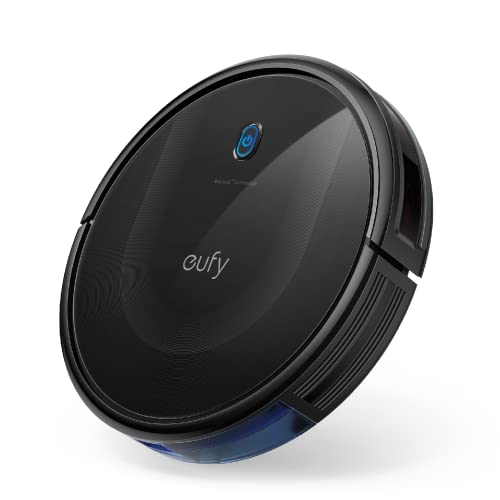
eufy RoboVac 11S Max super-thin robot vacuum with BoostIQ technology, 100-min runtime, and quiet operation. Ideal for hard floors and medium-pile carpets.
Canister Vacuums
Canister vacuums separate the motor and dust collection unit from the cleaning head, connecting them via a flexible hose and wand. This design gives you outstanding reach and maneuverability — you can clean under furniture, up stairs, and along baseboards with ease. Canisters are particularly popular in Europe and among homeowners with predominantly hard floors.
Best for: Hard floors, mixed flooring, stairs, detailed cleaning, users who want precise suction control.
Drawback: Two-piece design can be cumbersome in tight spaces; some find dragging the canister body less intuitive than a stick vacuum.
Top pick: Miele Classic C1 Pure Suction — German-engineered bagged canister with six variable suction settings and AirClean three-stage filtration.

Miele Classic C1 Pure Suction canister vacuum with 6 suction settings, AirClean filtration, and German engineering. Ideal for hard floors and low-pile carpet.
Handheld Vacuums
Handheld vacuums are not standalone cleaning solutions — they are supplemental tools for spot cleaning, car interiors, furniture, and stairs. Every home benefits from a reliable handheld, and modern cordless models charge on a wall-mount base so they are always ready to grab.
Best for: Quick cleanups, car cleaning, furniture, stairs, spot jobs between full vacuuming sessions.
Drawback: Not designed for whole-floor cleaning; limited dustbin capacity.
Top pick: Bissell Pet Hair Eraser Cordless Hand Vacuum 2390A — motorized brush tool, triple filtration, and three specialized attachments for pet households.

Discover the Bissell Pet Hair Eraser 2390A cordless hand vacuum with motorized brush tool and triple filtration. Perfect for pet owners. Read our expert review!
Step 2: Match Your Vacuum to Your Floor Type
Your flooring type is one of the most important factors in choosing a vacuum. A vacuum optimized for carpet will frustrate you on hard floors, and vice versa.
Predominantly Carpet
Deep-pile and medium-pile carpets need a motorized brush roll that physically agitates the fibers to loosen embedded dirt, pet hair, and allergens. Suction alone is not enough. For this reason, corded upright vacuums remain the gold standard for primarily carpeted homes. Look for adjustable brush roll height settings so the cleaner can adapt to different pile depths.
Key features to prioritize: motorized brush roll, high suction power, HEPA filtration (carpet traps allergens), large dustbin capacity.
Predominantly Hard Floors
Hard floors — hardwood, tile, laminate, vinyl plank, stone — require a different approach. You want strong suction combined with a floor head that captures debris without scattering it. A spinning brush roll is often counterproductive on hard floors because it can fling lightweight dust and debris ahead of the vacuum.
Look for vacuums with a brushroll shutoff switch or hard-floor mode. Canister vacuums are often the best choice here because the dedicated bare-floor tool glides without a spinning brush, capturing everything cleanly. The Eureka WhirlWind NEN110A is a strong budget canister for hard-floor households.
Key features to prioritize: brushroll shutoff, scatter-free design, swivel steering, bare-floor attachment.
Mixed Flooring
Most modern homes have a combination of carpeted bedrooms and hard-surface living areas. You need a vacuum that transitions smoothly between floor types without requiring you to swap tools or adjust settings manually.
The best solutions for mixed flooring are 2-in-1 uprights with brushroll shutoff (like the Shark Navigator NV360) or a quality cordless stick vacuum with automatic floor detection. Many mid-range cordless vacuums now sense the transition from hard floor to carpet and automatically boost suction.
Key features to prioritize: brushroll shutoff, multi-surface floor head, adjustable suction modes.
Stairs and Above-Floor Surfaces
Stairs are where many full-size uprights struggle. The best approach is a vacuum that can either detach a pod or convert to handheld mode, giving you a lightweight unit to carry up each step. Lift-Away upright designs (like the Shark NV360 and Bissell Pet Hair Eraser) are purpose-built for this.
A canister vacuum is also excellent on stairs — the lightweight wand and hose make stair cleaning ergonomic, and the canister body sits on the floor below you as you work.
Step 3: Key Specifications Explained
Vacuum marketing is full of technical-sounding numbers that do not always tell a coherent story. Here is what actually matters.
Suction Power: Watts vs. Pa vs. AW — Which Matters?
This is one of the most confusing areas of vacuum shopping. You will encounter three different metrics, and they measure different things.
Watts (W) measures the electrical power consumed by the motor. A 700W vacuum draws more electricity than a 400W model, but wattage alone does not tell you how much of that power is actually converted into useful cleaning suction. It is a measure of energy consumption, not cleaning efficiency.
Pascals (Pa) or kiloPascals (kPa) measure air pressure difference — the actual suction force at the nozzle. This is the most direct measure of how powerfully a vacuum pulls air. For context:
- 12–15 kPa is typical for budget upright vacuums
- 20–25 kPa represents strong mid-range performance
- 40 kPa (like the KARDV V06 cordless) is exceptional for any vacuum category
- 5000 Pa (5 kPa) is what you see on many robot vacuums
Air Watts (AW) is a combined metric used primarily by Dyson and some other premium brands. It measures both airflow volume and suction pressure together, giving a more holistic picture of cleaning performance. 100 AW is a benchmark for strong performance in a full-size vacuum.
The bottom line: For comparing vacuums, Pa or kPa is the most meaningful single number for suction performance. A vacuum with high watts but a poorly sealed system can still have weak effective suction. Always look for Pa ratings when comparing cordless vacuums in particular.
Filtration: HEPA vs. Standard vs. Sealed System
Filtration matters far more than most buyers realize, particularly for allergy and asthma sufferers.
Standard filtration captures large debris but allows fine dust particles and allergens to pass back through the exhaust. For households without allergy concerns, this is usually adequate.
HEPA filters capture 99.97% of particles 0.3 microns or larger, including pollen, pet dander, dust mite debris, and mold spores. However, a HEPA filter inside a vacuum with a leaky housing offers limited benefit — fine particles can bypass the filter entirely through gaps in the body.
Sealed HEPA systems are the gold standard. The entire vacuum chassis is sealed so that all exhaust air must pass through the HEPA filter before exiting. Shark’s Anti-Allergen Complete Seal and Bissell’s HEPA Sealed Allergen System are examples. Look specifically for “sealed system” language, not just “HEPA filter.”
If anyone in your household has allergies, asthma, or respiratory sensitivities, a sealed HEPA system is not optional — it is essential.
Dustbin Capacity
Dustbin size determines how often you need to stop and empty during a cleaning session.
- 0.5–0.8 liters: Common in cordless sticks and handhelds. Fine for daily quick cleans; may require emptying during a full-house session.
- 1–1.5 liters: Good mid-range capacity for most homes. Handles full-room cleaning without interruption in most cases.
- 1.5–2.5 liters: Found in full-size uprights and canisters. Handles whole-home cleaning sessions comfortably.
For pet owners, a larger bin matters more because pet hair takes up volume quickly. The Bissell Pet Hair Eraser 39883’s XL 1-liter tank and the KARDV V06’s 1.5-liter cup are notable for their categories.
Cord vs. Cordless
Corded vacuums provide unlimited runtime and consistent suction from start to finish. They are the better choice for large homes, heavy carpet, and users who prefer deep-cleaning in long sessions. The tradeoff is cord management and restricted range from each outlet.
Cordless vacuums offer unmatched freedom of movement. In 2026, the best cordless models deliver 40–60 minutes of runtime — enough to clean most apartments and mid-sized homes in a single charge. The tradeoff is that high-power modes consume the battery much faster, and runtime degrades over the battery’s lifespan (typically 3–5 years before capacity significantly decreases).
If you have a home over 2,000 square feet with significant carpet, a corded upright is still likely the better primary vacuum. For homes under 2,000 square feet with mixed or predominantly hard flooring, a quality cordless stick vacuum is a genuinely viable primary option.
Weight and Ergonomics
Vacuum weight is one of those specs that sounds abstract until you are carrying a machine up two flights of stairs.
- Under 6 lbs: Cordless stick vacuums, handheld vacuums. Very easy to maneuver.
- 6–10 lbs: Lightweight upright and compact stick vacuums. Comfortable for most users.
- 10–15 lbs: Standard full-size uprights. Fine for flat floor cleaning; tiring for stair work.
- Over 15 lbs: Heavy-duty uprights. Maximum cleaning power, but physically demanding.
Ergonomics beyond weight include handle height, swivel steering quality, cord length, and whether the vacuum stands upright without support. For users with back pain, arthritis, or limited mobility, these factors can matter as much as cleaning performance.
Step 4: Lifestyle Considerations
The best vacuum for your neighbor may be entirely wrong for you. Here is how to think through your specific situation.
Pet Owners
Pet households need a vacuum designed for the job. Key requirements:
- Anti-tangle or tangle-free brush roll — pet hair wraps aggressively around standard brush rolls and requires frequent manual removal. The LEVOIT LVAC-200’s tangle-resistant roller and the Bissell Pet Hair Eraser 39883’s tangle-free brush roll directly address this problem.
- Sealed HEPA filtration — pet dander is one of the most common allergen triggers. A sealed system keeps it locked inside the vacuum.
- Scatter-free technology on hard floors — pet fur is lightweight and easily scattered. Bissell’s scatter-free technology is a specific solution to this.
- High-capacity dustbin — pet households generate significantly more debris volume.
For homes with multiple heavy-shedding dogs or cats, consider running a robot vacuum daily (Tikom G8000 Max at 5000Pa is a strong budget option) alongside a full-size vacuum for deep cleaning sessions.
Allergy and Asthma Sufferers
The single most important spec for allergy households is a fully sealed HEPA system. Standard HEPA filters without a sealed chassis can allow fine particles to bypass the filter. Beyond filtration, also look for:
- Bagless designs with hygienic one-touch emptying (so you are not releasing a cloud of dust when you empty)
- Or bagged designs like the Miele Classic C1 where the sealed bag is simply removed and discarded without opening
- Avoid cheap vacuums with foam filters and no sealed housing
Home Size
Studio to 1-bedroom apartment (under 700 sq ft): A cordless stick vacuum is likely all you need. The LEVOIT LVAC-200 or a handheld supplemented by a basic robot vacuum makes an efficient and space-efficient combination.
2–3 bedroom home (700–1,800 sq ft): A quality cordless stick or a lightweight upright works well. The Eureka Airspeed NEU10AE4 at 7.7 lbs is an excellent, inexpensive corded option for this range.
Large home (1,800+ sq ft): A corded upright with strong suction is the practical primary vacuum. A robot vacuum running on a daily schedule dramatically reduces the frequency you need the full-size machine.
Multi-Story Homes and Stairs
Stairs are a genuine challenge for any full-size upright. The most practical solutions:
- Lift-Away upright (Shark NV360, Bissell Pet Hair Eraser 39883) — detach the pod and carry just the lightweight canister portion up the stairs.
- Canister vacuum — the lightweight wand and hose make stair cleaning ergonomic; the canister body stays on the landing below.
- Cordless stick vacuum on a separate charge point per floor — some multi-story households keep a base station on each floor.
- Dedicated handheld with motorized brush — the Bissell Pet Hair Eraser 2390A handheld is purpose-built for stair and upholstery work.

Tikom G8000 Max robot vacuum and mop combo delivers 5000Pa suction, 150-min runtime, and 4 cleaning modes for hard floors, carpets, and pet hair.
Step 5: Budget Guide
Under $100 — Entry Level
At this price point, expect basic filtration, smaller dustbins, and corded designs. The value proposition is real — a well-chosen $60–$90 vacuum can genuinely keep a small apartment clean for years.
Best picks under $100:
- Amazon Basics Upright Bagless Vacuum — 720W motor, 1.7L dustbin, 25-foot cord, washable filter. Honest no-frills performance for everyday cleaning.
- Eureka Airspeed Compact NEU10AE4 — 7.7 lbs, 700W, quick-release handle, washable filter. The best ultra-lightweight upright at this price.
- BLACK+DECKER Dustbuster QuickClean — 1.4 lbs, wall-mount charging, built-in crevice tool. The definitive supplemental handheld for any home.
- Eureka Blaze 3-in-1 Stick Vacuum NES215A — 4 lbs, capture nozzle, swivel steering. Best ultra-light stick option for apartments with hard floors.
What to expect: Washable filters rather than HEPA. Standard (not sealed) filtration. Limited accessories. Corded designs dominate. Perfectly adequate for low-traffic, non-pet, non-allergy households.
What to skip: Any bagless vacuum under $60 with a foam filter and plastic housing that feels flimsy. Build quality at this tier varies dramatically.

Explore the Amazon Basics Upright Bagless Vacuum with 720W motor, 25ft cord, and washable filter. Lightweight cleaning for carpet and hard floors. See details!
$100–$200 — Mid-Range
This is arguably the best value zone in vacuum buying. You enter the range where sealed HEPA filtration becomes available, cordless battery life becomes practical, and brand reputation comes with genuine warranty backing.
Best picks $100–$200:
- Shark Navigator Lift-Away NV360 — Anti-Allergen Complete Seal HEPA, Lift-Away pod, swivel steering, brushroll shutoff. One of the most recommended vacuums at any price point with over 52,000 ratings.
- Bissell CleanView Compact Turbo 3437F — 10 lbs, scatter-free technology, quick-release extension wand. Full-size power in a compact frame.
- Eureka WhirlWind NEN110A — 960W canister, 2.5L dust cup, handle-mounted airflow control, automatic cord rewind. Best value canister for hard floors.
- Tikom G8000 Max Robot Vacuum — 5000Pa suction, 150-minute runtime, vacuum and mop combo, app and voice control. The most capable robot vacuum available under $200.
What to expect: Sealed or near-sealed HEPA filtration. Quality brushroll designs. Reliable brand warranties. Entry into the robot vacuum category. Multiple floor head options and accessories.
Shark Navigator Lift-Away NV360 delivers powerful suction with HEPA filtration and swivel steering. Perfect for pet hair and allergens. See full expert review.
$200–$400 — Upper Mid-Range
In this range, you get professional-grade filtration, meaningful cordless performance, smarter robot vacuums with mapping technology, and build quality designed to last 5+ years.
Best picks $200–$400:
- Bissell Pet Hair Eraser Allergen Lift-Off 39883 — HEPA sealed allergen system, tangle-free brush roll, scatter-free technology, XL 1-liter tank. The definitive upright for serious pet households.
- LEVOIT LVAC-200 Cordless Stick — tangle-resistant roller, 50-minute runtime, 5-stage filtration, one-click emptying. Best cordless stick for pet owners at this price.
- KARDV V06 Cordless Stick Vacuum — 500W motor, 40kPa suction, 60-minute runtime, LED display, 1.5L dustbin. Exceptional cordless power for the money.
- Miele Classic C1 Pure Suction — German-engineered bagged canister, six suction settings, AirClean three-stage filtration. The best entry point into premium vacuum ownership.
What to expect: True sealed HEPA systems. Specialized pet cleaning technology. Longer warranties (Shark and Bissell offer 5-year limited warranties in this tier). Smart features like LED displays and app connectivity on robot models. Significantly longer product lifespan.

Bissell Pet Hair Eraser Allergen Lift-Off with HEPA filtration, tangle-free brush roll, and scatter-free tech. Built for pet owners. See our expert review.
$400 and Above — Premium
At this level you are paying for exceptional build quality, advanced smart features, genuine whole-home automation from robot vacuums, and in some cases a vacuum designed to last a decade or more.
What the premium tier delivers:
- Miele Complete C3 series — the pinnacle of canister vacuum engineering. Near-silent operation, HEPA AirClean filtration, and build quality measured in decades.
- Dyson V15 Detect — laser dust detection, piezo sensor that counts particles and adjusts suction automatically, exceptional cordless performance.
- Roborock S8 MaxV Ultra / Qrevo series — LiDAR mapping, obstacle avoidance cameras, self-emptying and self-cleaning dock, combined vacuum and sonic mopping. The Roborock Qrevo QV 35A at 8000Pa suction and automatic mop washing represents the current state of the art.
- Shark AI Ultra with self-empty base — vacuum, self-empty, and intelligent navigation in one system.
Who should spend here: Large home owners who vacuum daily, severe allergy sufferers who need the best available filtration, or anyone who wants a robot vacuum system that operates truly autonomously for weeks at a time without intervention.

Roborock Qrevo QV 35A robot vacuum and mop with 8000Pa suction, all-in-one dock, anti-tangle brushes, and dual spinning mops. Smart LiDAR navigation.
Top Picks by Scenario
| Scenario | Top Pick | Why |
|---|---|---|
| Best overall upright | Shark NV360 | Sealed HEPA, Lift-Away, 52K+ ratings |
| Best for pet owners | Bissell Pet Hair Eraser 39883 | Tangle-free brush, HEPA sealed, scatter-free |
| Best cordless under $300 | LEVOIT LVAC-200 | 50-min runtime, anti-tangle, 5-stage filtration |
| Best cordless power | KARDV V06 | 40kPa / 500W cordless, 60-min runtime |
| Best budget robot | Tikom G8000 Max | 5000Pa, 150-min, vacuum + mop, app control |
| Best slim robot | eufy RoboVac 11S Max | 2.85-inch profile, quiet, 100-min runtime |
| Best canister | Miele Classic C1 | German engineering, AirClean filtration, 6 suction settings |
| Best handheld for pets | Bissell Pet Eraser 2390A | Motorized brush, triple filtration, 3 pet tools |
| Best budget upright | Eureka Airspeed NEU10AE4 | 7.7 lbs, 700W, under $100 |
| Best for apartments | Eureka Blaze NES215A | 4 lbs, 3-in-1, capture nozzle, under $60 |
Shark Navigator Lift-Away NV360 delivers powerful suction with HEPA filtration and swivel steering. Perfect for pet hair and allergens. See full expert review.
Red Flags: What to Avoid
Inflated suction claims without verifiable Pa ratings. If a brand advertises “maximum suction” without stating an actual Pa or kPa figure, treat the claim with skepticism. Reputable brands publish suction metrics prominently because they stand behind them.
HEPA filter claims without sealed housing. “Contains a HEPA filter” is not the same as “HEPA-sealed system.” Check whether the product listing specifically mentions a sealed filtration pathway. On cheap vacuums, the HEPA filter is often decorative — air bypasses it through gaps in the body.
Robot vacuums without anti-fall sensors. Any robot vacuum without stair detection sensors is a liability. It will fall down your stairs or off ledges. Every legitimate robot vacuum sold by a reputable brand includes drop sensors; their absence signals a poorly designed product.
Extremely cheap cordless vacuums with no-name batteries. Budget cordless vacuums from unknown brands often use cells with inconsistent quality, leading to rapid capacity degradation. After 6 months, runtime can fall to 30–40% of the advertised figure. Look for brands that publish battery replacement options.
Missing or non-washable filters with no replacement ecosystem. Some ultra-cheap vacuums use proprietary filters with no replacement source. When the filter clogs, the vacuum loses performance and the only options are running clogged or discarding the unit.
Vacuums marketed primarily by wattage alone. As noted in Step 3, wattage is a measure of power consumption, not cleaning efficiency. A 2000W vacuum with a poorly designed airpath will underperform a 700W vacuum with an efficient sealed system. Focus on Pa ratings, AW ratings, and real-world reviews.
No return policy or warranty on off-brand models. Stick to brands with clear warranty terms and established customer service. Shark, Bissell, Dyson, Miele, Eureka, iRobot, and Roborock all offer defined warranty periods and support channels. Unknown brands on marketplaces often have no practical recourse if the product fails at week three.
Warranty and After-Sales Service Guide
Vacuum warranties vary significantly across brands and price tiers. Here is what to look for and what the major brands offer.
What a Good Warranty Covers
A manufacturer’s limited warranty should cover defects in materials and workmanship under normal household use. Key questions to ask:
- Does the warranty cover the motor and major components separately from accessories?
- What is excluded? Most warranties exclude filters, belts, brush rolls, and damage from misuse.
- Is there an authorized service network, or does the unit have to be shipped to a central facility?
- Are replacement parts (batteries, filters, brush rolls) sold separately for an extended period after the model is discontinued?
Brand Warranty Summary
Shark offers a 5-year limited warranty on many of its vacuum models, which is one of the best in the industry for the mid-range price tier. The Shark NV360, for instance, carries this 5-year coverage. Shark also has a broad authorized service network.
Bissell typically offers a 2-year limited warranty on upright and canister vacuums. Bissell’s customer support is well-regarded, and replacement parts are widely available through their website and major retailers.
Miele offers a 1-year parts and labor warranty on its classic lineup, but the brand’s build philosophy is for a machine to last 20+ years under normal use. Miele maintains a network of authorized service technicians and stocks parts for models long after discontinuation — a meaningful advantage at the premium tier.
Eureka provides a 1-year limited warranty on most models, which reflects their position as a value-tier brand. Parts are widely available and affordable.
Dyson offers a 2-year warranty on most models. Their customer service is available online and by phone, and replacement parts including batteries are readily sold directly. Note that battery replacement costs on premium Dyson models can be significant.
iRobot / Roomba offers a 1-year limited warranty. Given the mechanical complexity of robot vacuums, this is shorter than ideal. Extended warranties through retailers are often worth considering.
Roborock provides a 12-month warranty with support through their US service network. For premium models with expensive dock stations, this is the area where extended coverage makes the most sense to add.
Extending Your Vacuum’s Life
Regardless of brand or price, routine maintenance significantly extends vacuum lifespan:
- Clean or replace filters on schedule (every 1–3 months depending on use and manufacturer recommendation). A clogged filter is the most common cause of suction loss.
- Clear the brush roll regularly — even “anti-tangle” designs benefit from monthly inspection and hair removal.
- Empty the dustbin before it is completely full — running a vacuum on a packed dustbin stresses the motor and reduces suction.
- Check for blockages in the hose, wand, and intake after any unusual loss of suction.
- Store properly — hanging a vacuum by its cord or storing it kinked will damage the cord and hose over time.
A well-maintained mid-range vacuum should last 5–8 years. A quality corded upright from Shark or Bissell with proper maintenance can last a decade. Miele explicitly engineers for 20 years of use under normal conditions.
Frequently Asked Questions
How much suction power do I actually need?
For hard floors, 12–15 kPa is sufficient for everyday debris. For carpet with embedded pet hair, look for 20+ kPa from an upright, or 35–40 kPa from a cordless stick. Robot vacuums use Pa ratings differently — 3000–5000 Pa is strong for a robot on hard floors, though they are not equivalent to upright Pa figures.
Is bagged or bagless better?
Bagged vacuums (like the Miele Classic C1) offer more hygienic disposal — the sealed bag goes straight in the trash with no dust release. They require ongoing bag purchases (typically $10–$20 for a pack). Bagless vacuums eliminate bag costs but require careful handling during emptying to avoid releasing a cloud of captured dust. For allergy households, bagged systems have a practical edge.
Can a cordless vacuum replace my corded upright?
For apartments, smaller homes under 1,500 sq ft, and homes with predominantly hard floors, yes — a quality cordless stick from a reputable brand handles the job well in 2026. For larger homes or heavy carpet, a corded upright remains the better primary vacuum, with a cordless stick as a convenient complement.
How often should I vacuum?
High-traffic areas and pet households benefit from vacuuming 2–3 times per week. Bedrooms and low-traffic areas can typically be maintained with once-weekly vacuuming. If you own a robot vacuum, daily light passes combined with a weekly full manual vacuum is the most effective combination.
Do I need a robot vacuum if I already have an upright?
Not need, but a robot vacuum running on a daily schedule dramatically reduces the buildup that your upright has to tackle. The combination of a daily robot pass and a weekly upright deep clean produces noticeably better results than either alone, particularly in pet households.
What is the best vacuum for someone with allergies?
A fully sealed HEPA vacuum system is essential. Top choices include the Shark Navigator NV360 (Anti-Allergen Complete Seal), the Bissell Pet Hair Eraser 39883 (HEPA Sealed Allergen System), and the Miele Classic C1 (AirClean three-stage filtration with sealed bag disposal). Prioritize “sealed system” over just “HEPA filter.”
How do I know if my vacuum has enough suction for my carpet?
The best practical test is before you buy: read reviews specifically from users with the same carpet type you have. Deep-pile or thick carpet requires a motorized brush roll with strong airflow — look for uprights with adjustable brush roll height and suction settings. If your current vacuum leaves visible debris after multiple passes, you need more aggressive brush agitation, not necessarily more raw suction.
Is it worth spending more than $400 on a vacuum?
For most households, the $200–$400 range covers every genuine cleaning need with quality filtration and reliable performance. Above $400, you are paying for longevity (Miele), advanced automation (premium robot vacuums with self-cleaning docks), or specialized technology (Dyson’s particle-counting sensors). If any of those specific benefits matter to you, the premium is justified. For the average home, it is not necessary.
The Bottom Line
Choosing the right vacuum in 2026 comes down to matching the machine to your reality: your floor types, your home size, your lifestyle, your budget, and whether anyone in your household has health sensitivities that make filtration non-negotiable.
Use this guide as your decision framework, not a specification race. The best vacuum is the one that fits your life so well that you actually use it consistently — because a $600 vacuum that sits in the closet cleans nothing, while a $90 lightweight upright used three times a week does the job beautifully.
Start with your floor type and home size, layer in your lifestyle factors, set a realistic budget, and choose the highest-quality option within it from a brand with documented warranty support. Your floors will thank you.
Ready to Find Your Perfect Vacuum?
Browse our expertly reviewed vacuum cleaners and make an informed decision
Browse All Vacuums