Best Vacuum for Picking Up Nails and Screws: Shop Vac Guide 2026
Need to clean up after a construction project or workshop job? These are the best shop vacs and wet/dry vacuums built to safely pick up nails, screws, and metal debris without damaging the machine.
Table of Contents
Anyone who has tried to pick up scattered nails, screws, or metal shavings with a regular household vacuum has learned the hard lesson the hard way. The sound of metal clanging through a plastic impeller is not just unpleasant — it typically means you are looking at a broken vacuum and a potentially unsafe situation if sharp debris punctures the collection bin or gets launched back into the room.
Picking up nails and screws is a specialized task that demands a specialized machine. Shop vacuums — also called wet/dry vacuums — are built with metal-reinforced construction, high-capacity collection drums, and impellers designed to handle debris that would destroy a conventional vacuum in seconds. This guide covers exactly what to look for, which machines genuinely deliver on the promise, and how to use them safely when you are dealing with sharp, heavy, or irregular metallic debris.
Why You Cannot Use a Regular Vacuum for Nails and Screws
Standard household vacuums — whether upright, canister, or cordless stick — are engineered around a core assumption: the debris being collected is soft, light, and relatively fine. Dust, hair, crumbs, and small particles. The fan impellers in household vacuums are typically made from plastic or lightweight composite materials, and the collection paths through the machine are designed for airflow, not impact resistance.
When a nail or screw enters the intake of a household vacuum, several bad things can happen simultaneously. The debris can strike the impeller directly, chipping or shattering it. Metal pieces can puncture the plastic body of the vacuum or its dust collection bin. Sharp fasteners can sever internal wiring. Worst of all, debris that survives intact can be re-ejected at speed through the exhaust side of the machine.
Shop vacs solve all of these problems by design. Their impellers are metal or heavy-duty composite, capable of handling incidental impacts. Their collection drums are thick-walled polypropylene or steel. Their hoses and intake fittings are sized large enough to pass most fasteners without clogging. And critically, debris falls directly into the drum by gravity before it ever reaches the impeller — the airflow path is designed to drop material before it gets drawn upstream into the motor housing.
What to Look for in a Vacuum for Nails and Screws
Tank Material and Construction
For metal debris cleanup, the drum or collection tank is the most important structural component. Stainless steel drums offer the best puncture resistance if a nail or screw gets lodged at an angle and is dragged along the wall. Heavy-gauge polyethylene drums — common on most shop vacs in the $50 to $150 range — are generally adequate for incidental metal debris but can develop cracks over years of heavy use. If you are doing demolition work or collecting significant quantities of metal fasteners regularly, a steel drum is worth the premium.
Tank Capacity
Framing nail cleanup after a roofing job or flooring installation can generate surprising volume. A 5-gallon shop vac is perfectly adequate for small workshop tidying, but for jobsite use or post-construction cleanup, 10 to 16 gallons is the practical range. Drums over 20 gallons exist for contractors but become too heavy to move easily when full of wet material or dense metal debris.
Suction Power (Peak HP and CFM)
Peak horsepower ratings on shop vac boxes are marketing numbers. The specification that actually matters is CFM — cubic feet per minute of airflow — because that is what physically moves debris from the floor into the tank. For picking up nails and screws, you want a machine that generates at least 100 CFM at the hose inlet. Most full-size shop vacs in the 5 HP range deliver 120 to 160 CFM, which is sufficient for all standard fastener pickup tasks.
Hose Diameter
Standard 1.25-inch shop vac hoses are fine for dust and small debris. For nails, screws, bolts, and larger fasteners, a 2.5-inch diameter hose is significantly more capable. Most quality shop vacs in the 10-gallon-plus range use 2.5-inch hose systems. If you are considering a smaller unit, verify the hose diameter before purchasing.
Filtration for Metal Dust
Metal cutting, grinding, and sanding generates extremely fine metallic dust that behaves differently from wood dust or household dirt. This fine metal debris can damage standard paper filters and passes easily through foam sleeves. For workshop environments where metal cutting is common, look for a shop vac that supports cartridge-style pleated filters, which offer both finer filtration and easier cleaning than flat panel filters.
Best Vacuums for Picking Up Nails and Screws
1. CRAFTSMAN CMXEVBE17595 16-Gallon Shop Vac
CRAFTSMAN 16-Gallon Wet/Dry Vac
Craftsman’s 16-gallon, 6.5 peak HP shop vac is the standard recommendation for serious construction and workshop cleanup, and for good reason. The 2.5-inch hose system handles nails and screws without clogging. The large-format cart design rolls easily across a jobsite floor, and the stainless steel drum provides genuine puncture resistance. At around $100 at most home improvement retailers, it represents excellent value for the capability it delivers.
The included cartridge filter is adequate for general construction debris. If you are doing significant metal cutting, upgrading to the CRAFTSMAN fine dust cartridge filter is a worthwhile $20 addition. Suction is strong and consistent, and the 16-gallon capacity means you can complete a significant cleanup without stopping to empty the drum.
Best for: Roofing nail cleanup, flooring installation, general construction sites.
2. RIDGID 50328 WD1450 14-Gallon Shop Vac
RIDGID WD1450 14-Gallon Wet/Dry Vac
RIDGID’s shop vacuum line has a professional reputation built over decades of trade use. The WD1450 delivers 5.0 peak HP through a stainless steel drum, and the 2.5-inch hose handles virtually any fastener you are likely to encounter on a residential construction site. RIDGID’s lock-on accessory system means attachments stay in place even when you are moving the machine around a cluttered work area.
The motor housing on RIDGID machines is notably well-sealed, which matters when you are generating metallic dust from grinding or cutting. The onboard blower port — standard on RIDGID commercial-grade units — is genuinely useful for blowing sawdust and debris from inaccessible corners before vacuuming. Replacement filters and accessories are widely available at hardware stores nationwide, which is a practical advantage when a filter gets damaged in the field.
Best for: Workshop use, professional contractors, plumbing and electrical rough-in cleanup.
3. DEWALT 9-Gallon Poly Wet/Dry Vac (DXV09P)
DEWALT DXV09P 9-Gallon Wet/Dry Vac
For users who want industrial-grade build quality in a more manageable package, the DEWALT 9-gallon is a compelling option. It is physically smaller than the 14 to 16 gallon units but delivers comparable suction performance. The 4.25 peak HP motor generates enough CFM to move roofing nails, wood screws, and miscellaneous fasteners without hesitation.
The stainless steel drum and reinforced hose assembly are built to DEWALT’s tool-site standards, meaning they survive job-site abuse that would compromise lesser machines. The compact footprint makes it easier to move between work areas in tight spaces — relevant for bathroom remodels, attic work, or any confined environment. Battery-powered DEWALT shop vacs are also available for truly cordless operation, which matters when outlet access is limited.
Best for: Remodeling contractors, tight work areas, users who need a more portable option.
4. Shop-Vac 5989300 12-Gallon 5.5 Peak HP
Shop-Vac 12-Gallon 5.5 HP Wet/Dry Vac
Shop-Vac as a brand has been manufacturing wet/dry vacuum systems for professional and consumer use for over 50 years. The 12-gallon 5.5 peak HP model represents their core professional-grade offering. The two-stage filtration system uses both a cartridge filter and foam sleeve, which gives it better fine-particle capture than single-stage machines while maintaining the debris-handling capability needed for metal fasteners.
The 2.5-inch hose inlet and large-bore internal debris path mean nails and screws pass through without the bridging or clogging that smaller machines can experience when debris accumulates at a bend in the hose. The drum lid design is straightforward, making emptying and filter inspection quick. One practical note: Shop-Vac replacement bags and filters are universally available at hardware stores, which is not always true of competing brands.
Best for: Home workshops, garage cleanup, DIY renovation projects.
5. Milwaukee M18 FUEL 0910-20 Cordless Wet/Dry Vac
Milwaukee M18 FUEL Cordless Wet/Dry Vac
For users who specifically need cordless operation — either because outlet access is limited or because they want to integrate their vacuum into an existing Milwaukee M18 battery ecosystem — this machine is in a category by itself. It delivers legitimate shop vac suction performance on 18V battery power, with a 2.5-gallon collection drum and a metal-reinforced hose system.
The tradeoff versus corded machines is capacity: 2.5 gallons is sufficient for small cleanup tasks but will not handle a full day of framing nail collection. The Milwaukee is best understood as a high-performance portable unit rather than a primary workshop vacuum. If you have existing M18 batteries, the body-only price makes it a reasonable second machine for quick jobsite cleanups between larger scheduled cleanouts.
Best for: Cordless flexibility, existing Milwaukee M18 users, spot cleanup on active job sites.
Practical Safety Tips for Vacuuming Metal Debris
Always use a metal-appropriate filter. Standard paper bag filters and thin foam sleeves can be punctured by sharp fasteners. Use a pleated cartridge filter for metal debris, and inspect it after heavy use sessions.
Check the hose for obstructions regularly. A single 3-inch nail lodged crosswise in a 2.5-inch hose can partially block flow and cause suction to drop significantly. If you notice a sudden suction decrease, disconnect the hose and check for a blockage before assuming filter saturation.
Empty the drum before it gets too heavy. A 16-gallon drum filled with steel nails and screws gets extremely heavy — heavy enough to cause injury if the machine tips during movement. Empty at the 50 to 60 percent full mark when dealing with dense metal debris.
Use a magnetic pickup tool first for large fasteners. For scattered roofing nails or large lag screws, a magnetic pickup wand (available for under $15 at any hardware store) can collect the majority of debris before you start vacuuming. This protects your filters and reduces drum load.
Keep children and pets out of the work area. Metal debris cleanup kicks up fine metallic dust even with a good vacuum. This dust is harmful if inhaled and can cause eye injury.
FAQ: Vacuuming Nails and Screws
Can any shop vac pick up nails and screws?
Most shop vacs with 2.5-inch hose systems can pick up standard fasteners without damage. Shop vacs with 1.25-inch hoses may clog on nails over 2 inches long. Check the hose diameter before using a smaller unit for metal debris.
Will nails damage my shop vac?
A quality shop vac with a metal drum is extremely unlikely to be damaged by nails and screws under normal use. The debris falls into the drum by gravity and never contacts the motor or impeller directly. The risk zone is the hose and inlet fitting — a sharp nail dragged lengthwise along a plastic hose over years of use can eventually abrade the hose wall.
Can I use a regular vacuum in an emergency?
In a true emergency situation, a single screw or nail is unlikely to destroy a quality household canister or upright vacuum immediately. However, it is genuinely risky and not recommended. The impeller is unprotected and a nail strike can cause immediate failure. If you must vacuum metal debris without a shop vac, remove the filter, vacuum slowly, and inspect the machine thoroughly afterward.
What filter do I need for fine metal dust from grinding?
For fine metal dust from angle grinder or cut-off tool work, use a pleated cartridge filter rated for fine dust. Do not use paper bags alone, as metallic dust particles are sharp enough to penetrate standard filter media. Some manufacturers offer specific “metal dust” filter options — the RIDGID and CRAFTSMAN fine dust filters are two widely available examples.
How do I dispose of collected nails and screws?
Empty the drum contents into a heavy-gauge contractor trash bag. Metal fasteners will pierce standard 13-gallon kitchen bags. Transport to a metal recycling facility if you have significant quantities, or to a general construction waste disposal site. Do not place sharp metal debris in standard residential recycling bins.
The Bottom Line
For picking up nails, screws, and metal construction debris, the right tool is a shop vacuum — specifically a 10-gallon-or-larger unit with a 2.5-inch hose, metal or heavy-gauge drum construction, and a pleated cartridge filter. The CRAFTSMAN 16-gallon and RIDGID WD1450 are the top choices for most users at accessible price points. If cordless operation is your priority, the Milwaukee M18 FUEL is genuinely capable within its capacity constraints.
Do not attempt to use a household vacuum for this task. The cost of a basic shop vac is far lower than the cost of replacing a damaged household vacuum — and far lower than the cost of a medical visit if improperly contained metal debris causes an injury.
Top Picks
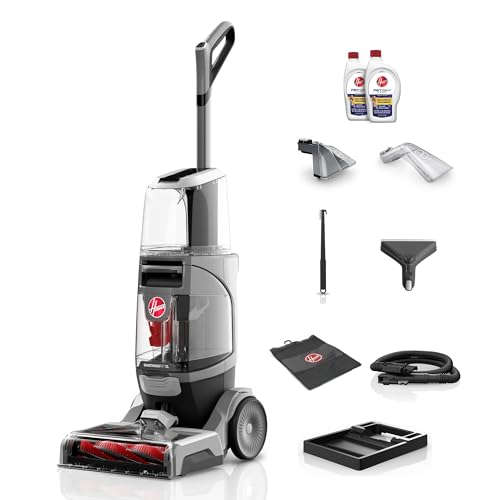
The Hoover SmartWash Pet XL auto-senses wash & dry cycles, features XL 96oz tanks, Spot Boost Mode, and converts to a spot cleaner. Deep clean carpets with ease.

Bissell CrossWave Edge vacuums and mops simultaneously with ZeroGap edge technology. Tangle-free brush roll, self-cleaning mode, and multi-surface design.

Bissell CrossWave Turbo 3888A vacuums and washes floors simultaneously. Two-tank system, 3000 RPM brush roll, safe on tile, wood, laminate, and area rugs.
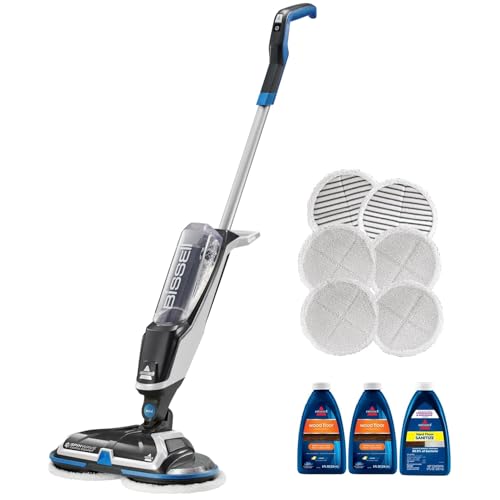
BISSELL SpinWave cordless spin mop with 18V battery, washable pads, and on-demand spray for sealed hard floors. Read the full expert review and specs.

BISSELL ProHeat 2X Revolution Pet Turbo carpet cleaner delivers professional-grade results with 40% more suction, dual cleaning modes, and pet-specific tools.
Ready to Find Your Perfect Vacuum?
Browse our expertly reviewed vacuum cleaners and make an informed decision
Browse All Vacuums