Vacuum Smells Like Burning: 6 Causes and What to Do
Vacuum smells like burning? Learn the 6 causes from clogged filters to motor failure, and when it's safe to keep using your vacuum.
Table of Contents
Vacuum Smells Like Burning: 6 Causes and What to Do
You’re in the middle of vacuuming when it hits you — a distinct burning smell drifting up from the machine. Your first instinct is to shut it off and back away, which is exactly the right call. But before you panic or toss the vacuum in the trash, take a breath: a burning smell does not always mean catastrophic failure.
In fact, most burning smells from a vacuum have straightforward, fixable causes. Tangled hair on a brush roll, a clogged filter, a worn belt — these are all common culprits that can be resolved in minutes without a repair technician. That said, a burning smell can also be an early warning of something genuinely dangerous, like an electrical fault or a motor on its last legs. Knowing the difference is what this guide is about.
Below, we walk through the six most common causes of a vacuum burning smell, ordered from least to most serious, along with a step-by-step diagnosis method, clear safety guidance, and a straightforward framework for deciding whether to repair or replace.
The 6 Causes of a Burning Vacuum Smell
1. Hair and Debris Burning on the Brush Roll or Motor (Most Common)
This is by far the most frequent cause of a burning smell, and it is almost always harmless once corrected.
As your vacuum runs, long hair, pet fur, string, and fibrous debris wrap tightly around the brush roll — the spinning cylinder at the base of the vacuum head. Over time, this buildup compresses and heats up through friction as the roll spins. When the debris gets close enough to a heat source, like the brush roll motor or the underside of the vacuum head, it can begin to scorch or smolder.
The smell is typically described as burning hair or a singeing, acrid odor. You may also notice reduced suction as the brush roll struggles to spin freely.
What to do: Turn off the vacuum and unplug it. Flip the vacuum head over and inspect the brush roll. Use scissors to carefully cut through any tangled hair and peel it away. Many vacuums have a removable brush roll that makes this process easier. Once the debris is cleared, the smell should not return.
To prevent recurrence, clean the brush roll every few vacuum sessions, especially if you have long hair or pets in the home.
2. Clogged Filter Causing Motor Overheating
A dirty or clogged filter is one of the most underappreciated sources of vacuum problems — including burning smells.
Your vacuum’s filter is designed to trap fine dust and particles so they are not exhausted back into the air. But as the filter becomes saturated with debris, it restricts airflow through the machine. When airflow is restricted, the motor has to work much harder to maintain suction. That extra strain generates heat, and if the motor runs hot long enough, you will start to smell it.
This cause produces a burning smell that is warmer and more mechanical in character — less like scorching hair and more like hot electronics or an overworked appliance. The vacuum may also feel hot to the touch near the motor housing.
What to do: Turn off and unplug the vacuum. Locate the filter (check your manual if needed — filters are commonly found near the dustbin or at the back of the machine). If the filter is washable, rinse it thoroughly under cold water and let it dry completely for at least 24 hours before reinstalling. Never put a damp filter back in the vacuum, as this can cause additional damage. If the filter is not washable, replace it.
Most manufacturers recommend replacing or cleaning filters every 3 months under normal use, or more frequently in high-dust environments.
3. Belt Burning (Slipping or Snapped Belt)
Many upright and canister vacuums use a rubber belt to drive the brush roll. This belt connects the motor shaft to the brush roll and keeps it spinning at the correct speed. If the belt becomes stretched, slips, or breaks, the friction between the belt and motor components generates significant heat — along with a very distinctive burning rubber smell.
A slipping belt often smells like burning rubber or a scorched tire. If the belt has already snapped, you may notice the brush roll has stopped spinning entirely. You might also hear a squealing or flapping noise from the vacuum head.
Belts are consumable parts that wear out naturally over time. Heavy use, vacuuming over thick carpet, or repeatedly sucking up large debris can accelerate belt wear.
What to do: Unplug the vacuum and access the brush roll compartment (usually by removing a bottom plate held in by screws or clips). Inspect the belt. If it is visibly stretched, cracked, or broken, it needs to be replaced. Replacement belts are inexpensive — typically $3 to $10 — and are widely available for most vacuum brands. Replacing a belt is a straightforward DIY task for most upright vacuums and takes about 10 minutes.
4. Full Bag or Bin Restricting Airflow
This cause is closely related to a clogged filter but deserves its own entry because it is so commonly overlooked.
When a vacuum bag is full or the bagless dustbin is packed beyond its recommended capacity, airflow through the machine is severely reduced. Your vacuum is designed to pull air continuously through the system to cool the motor as it runs. Cut off that airflow and the motor temperature climbs rapidly.
A burning smell from an overfull bag or bin tends to be similar to the overheating motor smell — a hot, somewhat acrid odor coming from the body of the vacuum. The vacuum’s suction power will also be noticeably diminished.
Many modern vacuums have a thermal cutoff switch that shuts the machine down automatically when it overheats. If your vacuum suddenly shuts off mid-session and smells hot, an overfull bin is a likely cause.
What to do: Turn off and unplug the vacuum. Empty the dustbin completely or replace the bag. Allow the vacuum to cool for at least 30 minutes before running it again. If the machine has a thermal cutoff, it will need to cool down before it will restart regardless. Going forward, make it a habit to empty the bin when it reaches two-thirds capacity rather than waiting until it is completely full.
5. Electrical Issue (Burning Plastic or Rubber Smell)
If the burning smell has a sharp, acrid quality — something closer to melting plastic or burning insulation — it is time to take this more seriously.
Electrical burning smells from a vacuum can be caused by several issues: frayed or damaged wiring, a failing capacitor, a short circuit, or insulation on the wiring beginning to melt. These problems are not common, but they are genuinely hazardous. Electrical fires in home appliances typically start small but can escalate quickly.
Pay attention to the character of the smell. Hair burning smells organic and acrid. Rubber smells harsh and chemical. Burning electrical components smell sharp and synthetic — something like burning plastic bags or scorched wire insulation. You may also notice the vacuum running at an unusual speed, making a buzzing or crackling sound, or producing visible sparks.
What to do: Stop using the vacuum immediately. Do not attempt to troubleshoot an electrical issue by continuing to run the machine. Unplug it and set it aside. Do not plug it back in.
At this point, the decision is whether to have the vacuum professionally inspected and repaired, or to replace it. For vacuums under warranty, contact the manufacturer. For older models, consider the cost of repair versus replacement — more on this below.
6. Motor Failure
Motor failure is the most serious cause on this list and, fortunately, one of the least common in well-maintained vacuums. When a vacuum motor begins to fail, it often produces a strong, persistent burning smell accompanied by notable changes in performance: dramatically reduced suction, unusual noises (grinding, whining, or loud rattling), or the vacuum shutting off and failing to restart.
Motors can fail due to age, chronic overheating from years of clogged filters or overfull bags, bearing wear, or — occasionally — a manufacturing defect. The burning smell from a failing motor is often intense and continuous, and it does not resolve by clearing debris or replacing a belt.
What to do: Stop using the vacuum. Motor replacement is possible on many models but can be expensive — often $50 to $150 for the part alone, plus labor if you are not doing the repair yourself. For budget or mid-range vacuums, this cost frequently approaches or exceeds the price of a replacement machine. For premium vacuums from brands like Dyson, Miele, or Sebo, motor repair or replacement may be economically justified.
Step-by-Step Smell Diagnosis
Not sure which of the six causes applies to your vacuum? Use this diagnostic sequence:
Step 1 — Stop and unplug. Never diagnose a burning vacuum while it is running. Unplug it from the wall before inspecting anything.
Step 2 — Identify the smell character. Is it organic and hair-like? Rubber-like? Sharp and chemical/plastic? The smell type narrows your diagnosis significantly.
- Hair/organic smell → Cause 1 (brush roll debris)
- Rubber smell → Cause 3 (belt)
- Hot, mechanical smell → Cause 2 or 4 (filter or full bin)
- Sharp, chemical, plastic smell → Cause 5 or 6 (electrical or motor)
Step 3 — Check the brush roll. Flip the vacuum over and inspect for tangled hair or debris. Clear any you find.
Step 4 — Check the filter. Remove the filter and inspect it. Is it visibly dirty, grey, or clogged? Clean or replace it.
Step 5 — Check the dustbin or bag. Is it full or near-full? Empty it completely.
Step 6 — Inspect the belt. If the brush roll was not spinning or you detected a rubber smell, access the belt housing and check the belt condition.
Step 7 — After clearing all obvious causes, run a brief test. Plug the vacuum back in and run it for 30 seconds in a well-ventilated area while watching and smelling carefully. If the burning smell does not return, you have resolved the issue. If it does return — especially if it smells electrical or plastic — move to the safety guidance below.
Safety: When to Stop Using Your Vacuum Immediately
Some burning smells are a minor annoyance. Others are a fire hazard. Here is when you must stop using the vacuum and not plug it back in until the issue is resolved:
- The smell is sharp, chemical, or plastic in character — this suggests electrical burning, which poses a genuine fire risk.
- You see sparks or smoke at any point during operation.
- The vacuum shuts itself off and will not restart after cooling — this can indicate a thermal protection trigger caused by serious overheating.
- The burning smell persists after you have cleared the brush roll, replaced/cleaned the filter, and emptied the bin. Unexplained persistent smell means something deeper is wrong.
- The power cord feels warm or hot to the touch, or you see any fraying, cracking, or damage to the cord.
- The vacuum is making grinding, crackling, or buzzing noises in addition to the burning smell.
In any of these scenarios, the vacuum should be unplugged and removed from use until inspected by a qualified repair technician — or replaced.
When to Repair vs. Replace
Once you have identified the cause, the next question is whether fixing it makes financial sense.
Almost always worth repairing:
- Brush roll debris (free — just clean it)
- Clogged filter (free to clean, or $10-$30 for a replacement filter)
- Full dustbin (free — empty it)
- Worn belt ($3-$10 for a replacement belt)
Repair may be worth it depending on the vacuum’s age and value:
- Electrical issue — repair cost varies widely. A straightforward wiring fix from a repair shop might cost $40-$80. More complex electrical issues can run higher. If the vacuum is older than 5 years and mid-range in price, replacement often makes more sense.
- Motor replacement — typically $80-$200 including parts and labor. This is rarely cost-effective for vacuums originally priced under $200. For premium vacuums ($400+), it often is.
General rule of thumb: If the cost of repair exceeds 50% of the vacuum’s current replacement cost, replacement is usually the better financial decision — unless the vacuum has sentimental value or is a premium model with features you specifically need.
Also factor in the vacuum’s age. Vacuums older than 8-10 years that require significant repairs are often better replaced, since other components are also approaching the end of their lifespan.
Frequently Asked Questions
Is it safe to use a vacuum that smells like burning? It depends on the cause. If the smell is from tangled hair on the brush roll or a dirty filter, it is safe to use once those issues are corrected. If the smell is sharp, chemical, or plastic in character — or if it persists after you have cleared all obvious causes — stop using the vacuum until the issue is properly diagnosed.
Why does my vacuum smell like burning when I first turn it on? A burning smell at startup that quickly fades is usually caused by dust burning off the motor or heating elements at the beginning of a session. This is normal in vacuums that have not been used for a while, similar to the smell of a heater coming on for the first time in winter. If the smell fades within a minute and does not return during the session, it is generally not a concern. If it persists, proceed with the diagnostic steps above.
Can a vacuum catch fire from overheating? Yes, in rare cases. Vacuums that are chronically run with clogged filters, overfull bags, or electrical faults can overheat to the point of ignition. This is most likely to occur if the vacuum’s thermal protection system has failed or been bypassed. This is why it is critical to never leave a running vacuum unattended, and to address burning smells immediately rather than ignoring them.
My vacuum smells like burning rubber — what does that mean? A burning rubber smell almost always points to the drive belt. The belt connects the motor to the brush roll, and when it slips, wears out, or breaks, the friction generates significant heat and a distinct rubber burning odor. Inspect and replace the belt — it is an inexpensive and easy fix on most vacuum models.
Why does my bagless vacuum smell like burning even though the bin is empty? If you have emptied the bin and the smell continues, work through the other causes: check the filter, inspect the brush roll for debris, and check the belt. If all of those check out and the smell persists, especially if it has a chemical or plastic quality, the motor or an electrical component may be the source.
How often should I clean my vacuum to prevent burning smells? Empty the dustbin or replace the bag when it reaches two-thirds capacity. Clean or inspect the brush roll every 3-5 uses. Clean or replace the filter every 1-3 months depending on use. Replace the belt every 12-18 months for heavy users, or at the first sign of stretching or cracking. These simple habits eliminate the most common causes of burning smells before they have a chance to develop.
A burning smell from your vacuum is your machine trying to tell you something. In most cases, it is delivering a simple, fixable message: clean the brush roll, replace the filter, empty the bin, or swap the belt. Address those causes promptly and your vacuum will run clean and odor-free. If the smell persists, turns chemical, or is accompanied by sparks or sudden shutoffs, treat it seriously — the vacuum needs professional attention or replacement before it is used again.
Top Picks

Bissell CleanView XR cordless vacuum: 200W motor, 35-min runtime, tangle-free brush roll & 3-in-1 design. Top-rated stick vacuum for home. Shop now.

Bissell Featherweight stick vacuum weighs only 3 lbs and converts into 3 machines. Bagless design with crevice tool for carpet, hard floors, and furniture.

Bissell CleanView XR Pet 300W cordless stick vacuum with 40-min runtime, deep cleaning FurBrush, and removable battery. Expert review with full specs.

Bissell Featherweight 2033M is an ultra-lightweight 3-in-1 bagless stick vacuum for hard floors, carpet, and stairs. Converts to hand vac with crevice tool.
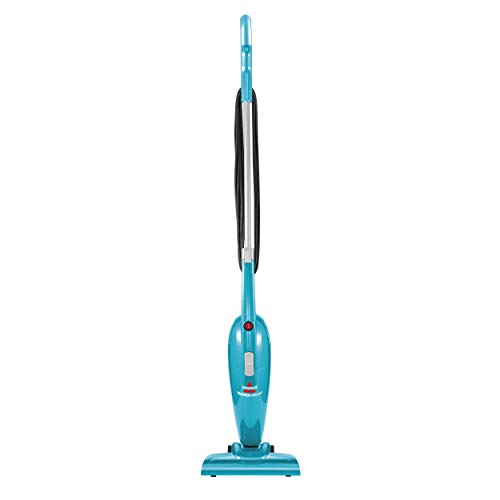
Bissell Featherweight 2033 lightweight stick vacuum converts to handheld. Bagless, corded, with crevice tool for carpets, hard floors, and stairs.
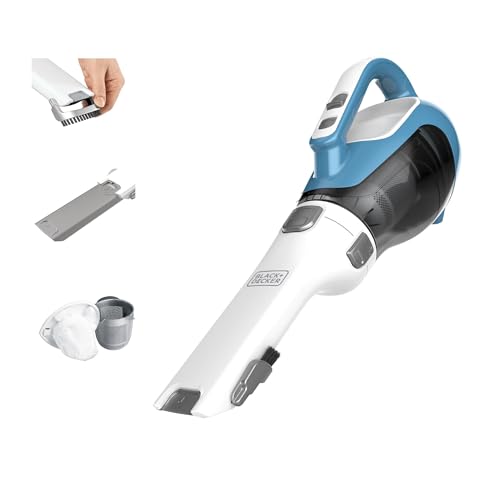
BLACK+DECKER Dustbuster AdvancedClean cordless handheld vacuum with cyclonic suction and 16V battery. Great for home and car. Read our expert review now.
Ready to Find Your Perfect Vacuum?
Browse our expertly reviewed vacuum cleaners and make an informed decision
Browse All Vacuums