Best Vacuum for Kitty Litter on Carpet: Stop the Scatter Once and For All
Kitty litter tracked onto carpet is one of the toughest cleaning challenges in cat households. These vacuums actually pick up litter granules without clogging or damaging your machine.
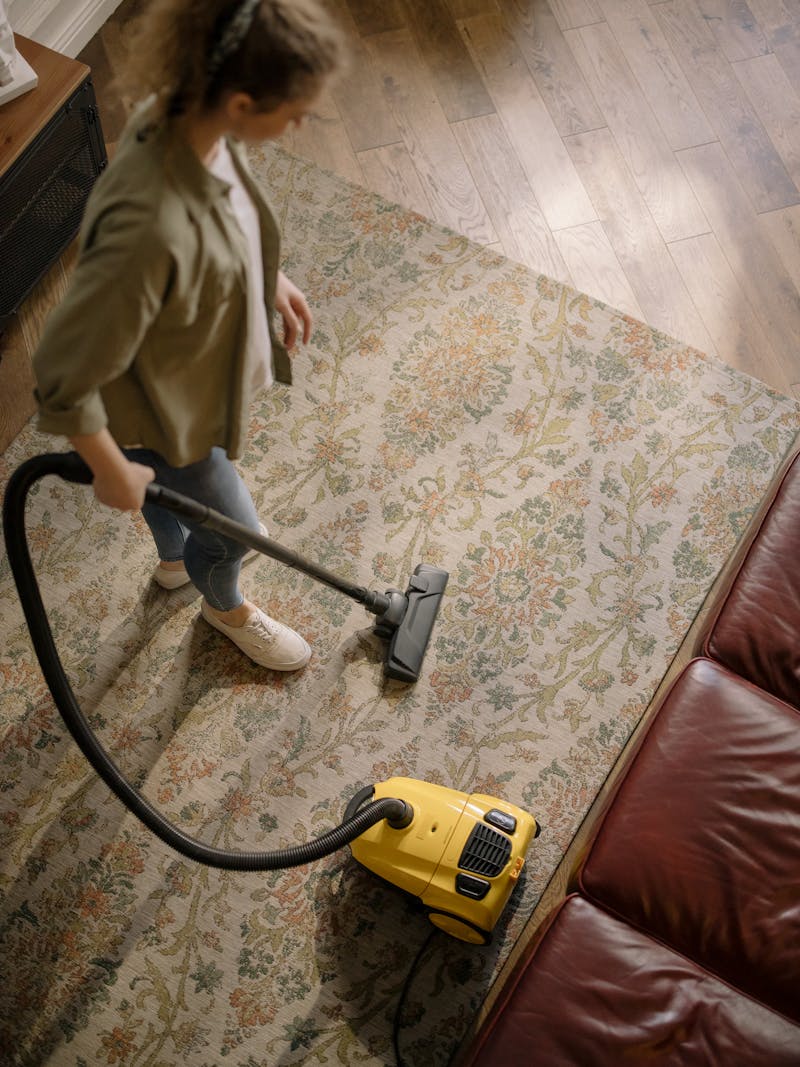
Table of Contents
Every cat owner knows the scene: the cat exits the litter box, and a trail of litter granules follows them across the floor. If you have carpet anywhere near the litter area — or anywhere the cat walks after using the box — those granules work their way into the pile and become a persistent, gritty problem. Vacuuming kitty litter sounds simple. In practice, it is one of the more equipment-demanding cleaning challenges in a cat household.
The core problem is that kitty litter granules are heavy, abrasive, and varied in size. Lightweight clay granules scatter easily. Heavier crystal or silica-based litter is dense enough to resist weak suction. Clumping litter that has absorbed moisture becomes sticky and can adhere to carpet fibers or clog vacuum mechanisms. Fine litter dust — present in nearly all conventional litter products — is fine enough to pass through coarse filtration and load HEPA filters rapidly.
Using the wrong vacuum does not just leave litter behind. It can damage the brushroll by forcing large granules through it at speed, clog the hose where granules collect at bends, or overload the filter with litter dust faster than regular use does. Finding the right vacuum for this specific problem saves equipment, time, and the frustration of picking litter out of a jammed brushroll.
Why Kitty Litter Is Hard on Vacuums
Granule size variability. Kitty litter is not uniform. Even within a single brand, granule sizes range from fine powder (litter dust) to medium pellets. A vacuum optimized for fine dust collects the powder easily but may lack the suction capacity to lift heavier pellet-style granules from carpet pile. A vacuum optimized for larger debris may handle pellets but allow litter dust to bypass filtration.
Abrasion on moving parts. Clay litter granules have significant abrasive properties. Granules passing through a brushroll housing at brushroll speed can cause premature wear on the brushroll bearings and housing walls. Crystal litter (silica gel) is similarly abrasive. Over time, this wear affects brushroll performance and longevity.
Clogging at hose bends. Litter granules are denser than most household debris and tend to settle at the lowest points in a vacuum’s hose path rather than staying suspended in the airflow. In vacuum hoses with 90-degree bends — particularly in the wand-to-hose connection on upright vacuums — litter granules accumulate and restrict airflow progressively.
Litter dust loads filters. Conventional clay litter creates significant fine dust during use, and this dust is carried out of the litter box on the cat’s paws and fur. This fine particulate is in the size range that passes through pre-filters and loads HEPA filters rapidly. Cat households with conventional litter need to clean or replace vacuum filters more frequently than the standard recommendation.
Moisture in clumping litter. Clumping clay litter absorbs moisture from the litter box. Granules tracked out of a used box may contain absorbed moisture that makes them sticky. In carpet, these semi-moist granules adhere to fibers and resist dry vacuuming. In the vacuum, they can clump together in the collection bin or bag, creating blockages.
What to Look for in a Litter Vacuum
Strong suction, not just average. Litter granules are denser than dust and pet hair. Pulling them from carpet pile requires above-average suction — target 200+ Air Watts or vacuums specifically noted for strong carpet suction.
Wide, non-clogging hose path. A vacuum with a wider hose diameter and minimal tight bends in the airflow path is less prone to litter clogging. Upright vacuums with a straight-through airflow path from the nozzle to the dustbin outperform those with multiple hose bends.
Anti-tangle or litter-tolerant brushroll. The brushroll needs to handle litter granules passing through it without jamming. Some brushroll designs accumulate litter in the brushroll housing and jam after a session or two. Look for brushrolls with open-face designs that allow debris to pass through rather than accumulate.
Sealed HEPA filtration. Litter dust is fine enough to require true HEPA filtration. Sealed system design ensures the fine dust does not bypass the filter and exit through the vacuum housing.
Easily accessed filter for cleaning. Because litter dust loads filters faster than regular debris, you need a vacuum where the filter is easy to access and clean. Complex disassembly for filter access means you will clean the filter less often than you should.
Large collection capacity. A session of litter cleanup collects significant debris. A small dust bin requires stops to empty during the session, which means opening the bin and handling debris that includes litter dust. Larger capacity reduces this frequency.
The 5 Best Vacuums for Kitty Litter on Carpet
1. Shark Stratos AV2502WD Robot Vacuum — Best for Daily Litter Maintenance
Best for: Continuous daily litter maintenance, preventing litter buildup before it becomes a major cleanup
Shark Stratos AV2502WD Robot Vacuum
For kitty litter management, the most effective strategy is not a single weekly heavy cleanup session — it is daily light collection that prevents litter from working deep into carpet pile. The Shark Stratos with Auto-Empty Base handles this continuous maintenance role better than any other product in this category.
The Shark Stratos’s Matrix Clean navigation system covers the full floor area systematically, not randomly, ensuring the path near the litter box is covered on every run. The Auto-Empty Base stores 60 days of debris capacity, meaning the robot handles 60 days of daily litter collection before you need to deal with the waste. The HEPA bag in the base contains litter dust that the robot collects.
The Stratos’s IR sensor detects high-traffic zones — near the litter box — and automatically increases cleaning intensity in those areas. For carpet areas adjacent to the litter box, the motorized brushroll provides adequate light-litter-granule extraction from low to medium pile.
Important: the Shark Stratos handles daily maintenance litter, not heavy accumulation. Supplement with a powerful upright for weekly deep cleaning of the litter zone carpet.
Pros:
- Daily automated litter collection prevents deep pile accumulation
- 60-day auto-empty base capacity
- IR sensor targets high-debris zones like litter box surroundings
- HEPA bag in base for litter dust containment
- Runs while you are away from home
Cons:
- Not a replacement for periodic deep cleaning of carpet
- Cannot handle very heavy litter accumulation or moisture-laden clumping litter
- Requires occasional brushroll inspection and litter debris clearing
- Higher price point
2. Dyson Ball Animal 3 Extra — Best Upright for Deep Litter Extraction from Carpet
Best for: Weekly deep cleaning of carpets near litter boxes, high-pile carpet litter extraction
For the weekly deep clean of carpet areas adjacent to and around the litter box, the Dyson Ball Animal 3 Extra is the strongest recommendation. The direct-drive cleaner head drives the brushroll into carpet pile with enough force to dislodge litter granules that have worked into the fiber base — which is where weekly cleaning is needed most.
The whole-machine HEPA filtration with fully sealed system captures litter dust at the finest particle level before it can exit through the exhaust. The post-motor HEPA filter is washable, which is important for cat households where litter dust loads the filter faster than regular use — you can clean it rather than replacing it on a frequent basis.
The Ball Animal 3’s radial root cyclone technology maintains suction even with the mixed debris profile of litter cleanup — simultaneously handling fine dust, medium granules, cat hair, and carpet fiber. The XL hygienic bin release empties without hand contact, which matters when the collection bin contains litter granules and litter dust you do not want to handle directly.
Pros:
- Direct-drive brushroll extracts granules from deep pile
- Whole-machine HEPA filtration with sealed system
- Washable HEPA filter manages frequent litter dust loading
- Radial root cyclone maintains suction through mixed debris
- Hygienic bin release for hands-free emptying
- Self-adjusting head for varied carpet heights near litter zone
Cons:
- Premium price point
- Heavy at 17.6 lbs for maneuvering in a litter zone
- Ball design can be slightly awkward in tight bathroom corners where litter boxes often sit
3. Shark Navigator Zero-M ZU561 — Best for Anti-Tangle Litter Pickup
Best for: Long-haired cat households, homes where cat hair and litter combine as a problem
The Shark Navigator Zero-M’s defining feature — its Zero-M self-cleaning brushroll — is particularly valuable for cat households where litter cleanup happens alongside cat hair pickup. The Zero-M brushroll actively removes wrapped hair and debris from itself during operation using a mechanical combing mechanism built into the brushroll housing. This eliminates the most common litter vacuum maintenance chore: clearing hair and litter-caked debris from a jammed brushroll.
For kitty litter specifically, the self-cleaning mechanism prevents the accumulation of litter granules in the brushroll housing that causes jamming in conventional designs. The combination of the suction path and the anti-tangle brushroll handles the mixed debris of litter granules, litter dust, and cat hair without the stops-to-clear-the-jam that plague pet vacuum users.
The Anti-Allergen Complete Seal and HEPA filtration contain fine litter dust in the sealed system. The Lift-Away canister detaches for reaching under furniture where litter granules scatter — an important capability for the areas around and under litter box enclosures.
Pros:
- Zero-M self-cleaning brushroll eliminates litter-related jam maintenance
- HEPA filtration with sealed system for litter dust
- Lift-Away canister for under-furniture litter retrieval
- Anti-tangle design handles cat hair and litter simultaneously
- Upright design efficient for large carpet areas near litter zone
Cons:
- Self-cleaning brushroll mechanism requires periodic inspection — debris can accumulate in the mechanism over time
- Not the strongest suction for very dense, heavy litter granules
- Canister is detached from the base for above-floor work — requires mode switching
4. Bissell Pet Hair Eraser Turbo Plus — Best Budget for Litter on Carpet
Best for: Budget-conscious cat owners, light to moderate litter scatter, low-pile carpet
Bissell Pet Hair Eraser Turbo Plus
The Bissell Pet Hair Eraser Turbo Plus is the strongest mid-range option for kitty litter on carpet. At a significantly lower price than the Dyson or premium Shark options, it delivers the core features needed for litter cleanup: strong suction for a vacuum in its class, a motorized brushroll that handles the mixed debris of litter and pet hair, and Bissell’s Smart Seal Allergen System that contains litter dust in a sealed path.
The tangle-free brushroll minimizes the hair-and-litter jam problem that affects conventional brushrolls. The easy-empty dirt tank has a bottom-release mechanism that reduces contact with the collected litter during disposal. The specialized pet hair tools — including a mini turbo eraser tool — are useful for litter scatter on upholstered furniture adjacent to the litter box area.
For light to moderate litter scatter on low to medium pile carpet, the Bissell Pet Hair Eraser Turbo Plus handles the task adequately at a price point that makes it a realistic entry for budget-conscious cat owners.
Pros:
- Affordable mid-range price point
- Tangle-free brushroll reduces litter jam maintenance
- Sealed allergen system for litter dust containment
- Easy-empty bottom release reduces handling of collected litter
- Mini turbo tool for furniture and cushion litter scatter
Cons:
- Less suction than premium options — may require multiple passes for deep pile litter extraction
- Less effective on heavy litter accumulation or high-pile carpet
- Smaller dust bin capacity compared to premium vacuums
5. Miele Complete C3 Cat and Dog — Best Canister for Litter Control
Best for: Households using the litter vacuum for whole-home cleaning, not just litter-zone maintenance
For cat owners who want a single premium vacuum that handles litter on carpet as part of a whole-home cleaning routine — rather than a dedicated litter cleanup tool — the Miele Complete C3 Cat and Dog is the correct choice. The Active AirClean carbon filter neutralizes litter odors during collection, not just pet odors from fur. The multi-stage AirClean filtration captures fine litter dust throughout the filtration path.
The Electro Plus powered floorhead drives a motorized brushroll that penetrates carpet pile to extract embedded litter granules with the same effectiveness as the upright recommendations above, but in a canister form that is more versatile for whole-home use. The adjustable suction via foot pedal lets you increase power for dense litter areas and reduce it for delicate surfaces.
For homes where the litter zone is on carpet and the rest of the home is a mix of hard floors and area rugs, the C3’s ability to transition between floor types without sacrificing performance on any of them makes it the most practical single-machine solution.
Pros:
- Active AirClean carbon filter neutralizes litter odors
- Multi-stage filtration for fine litter dust
- Electro Plus motorized floorhead for deep carpet litter extraction
- Whole-home versatility beyond litter zone
- Miele 20-year engineered lifespan
Cons:
- Premium price point
- Ongoing bag and filter costs
- Canister less convenient for quick litter zone spot cleaning than upright
Practical Tips for Keeping Litter on Carpet Under Control
Use a litter mat. A textured litter mat placed in front of and extending beyond the litter box entrance catches the majority of litter granules as the cat exits. The mat reduces carpet scatter significantly — not because you vacuum the mat less often, but because it collects litter on a surface designed for it rather than in carpet pile.
Vacuum the litter zone daily or every other day. Litter that sits in carpet for three to four days works progressively deeper into the pile. Vacuuming every day or every other day keeps granules at the surface where they are much easier to extract. This is the most effective protocol change you can make, regardless of which vacuum you use.
Vacuum the mat first, outward to carpet. Start your vacuum pass on the litter mat, then extend outward onto the surrounding carpet. This prevents litter mat granules from being scattered onto carpet during the mat cleanup step.
Do not use maximum suction on clumping litter granules. Moist clumping litter granules can break apart under very high suction and scatter fine clay dust throughout the vacuum path. Use moderate suction for the initial pass over the litter zone, increasing to full power for the surrounding carpet area where dry granules are the primary debris.
Clean the brushroll after litter sessions. Even with anti-tangle designs, litter granules accumulate in the brushroll housing over time. A quick inspection and brushroll tap over a trash bin after litter cleanup sessions prevents slow accumulation from becoming a performance issue.
Change or clean the filter monthly in cat households. Litter dust loads filters approximately twice as fast as standard household debris. A monthly filter check, with cleaning or replacement as indicated, maintains suction performance at the level you need for litter extraction.
Frequently Asked Questions
Why does my vacuum lose suction so fast when vacuuming litter?
Two likely causes: filter overloading from litter dust (clean or replace the filter), or a partial blockage in the hose from accumulated litter granules. Check the hose for litter accumulation at the bends, and check and clean the filter. Both problems become more common with frequent litter vacuuming.
Can I vacuum wet or moist clumping litter?
No standard household vacuum handles moist clumping litter safely. Wet litter clumps can break apart in the airflow path, paste dust onto filter media, and create blockages in the hose and bin. Remove moist clumping litter by scooping before vacuuming the surrounding carpet area. Only dry litter granules and dust should enter the vacuum.
What is the best litter to use if litter scatter is my main concern?
Crystal litter (silica gel) and heavy clay pellet litter scatter less than fine-grained conventional clay litter because the larger, heavier granules do not travel as far when carried on a cat’s paws. However, heavy pellet litter can be harder on vacuum mechanics. Crystal litter is generally the least scatter-prone option, and its granules are easy to see and vacuum from carpet because they are translucent or colored.
How do I stop litter from spreading throughout the house?
The combination of a quality litter mat (placed at the box exit, large enough to cover the cat’s full exit path), daily vacuuming of the litter zone, and a covered litter box with a top-entry design reduces scatter to the minimum possible. No solution eliminates it entirely, but these three combined significantly reduce the scope of the problem.
Is a robot vacuum good enough for litter maintenance?
For daily maintenance collection of light litter scatter, a quality robot vacuum with a HEPA-filtered auto-empty base is genuinely useful. It keeps litter from working into carpet pile between deep-clean sessions. It is not a replacement for a powerful upright vacuum for the deeper weekly cleaning the litter zone needs.
Final Verdict
For daily automated litter maintenance, the Shark Stratos Robot Vacuum with auto-empty base is the tool that prevents litter from becoming a deep-carpet problem. Run it daily on a schedule and the weekly manual cleanup session requires significantly less effort.
For the weekly deep cleaning of carpet near the litter zone, the Dyson Ball Animal 3 Extra is the strongest recommendation. Its direct-drive brushroll and whole-machine HEPA filtration handle the combination of litter granules, litter dust, and cat hair better than any other upright in its class.
The most important insight for kitty litter on carpet management: no vacuum, however capable, is a substitute for high cleaning frequency. Daily or every-other-day vacuuming of the litter zone is the single most effective intervention available.
Top Picks

Bissell CleanView XR cordless vacuum: 200W motor, 35-min runtime, tangle-free brush roll & 3-in-1 design. Top-rated stick vacuum for home. Shop now.

Bissell Featherweight stick vacuum weighs only 3 lbs and converts into 3 machines. Bagless design with crevice tool for carpet, hard floors, and furniture.

Bissell CleanView XR Pet 300W cordless stick vacuum with 40-min runtime, deep cleaning FurBrush, and removable battery. Expert review with full specs.

Bissell Featherweight 2033M is an ultra-lightweight 3-in-1 bagless stick vacuum for hard floors, carpet, and stairs. Converts to hand vac with crevice tool.
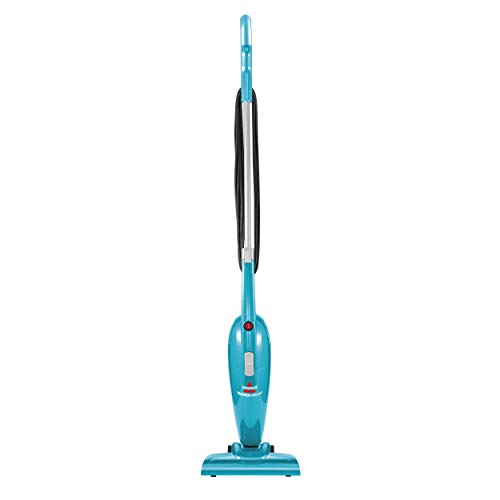
Bissell Featherweight 2033 lightweight stick vacuum converts to handheld. Bagless, corded, with crevice tool for carpets, hard floors, and stairs.
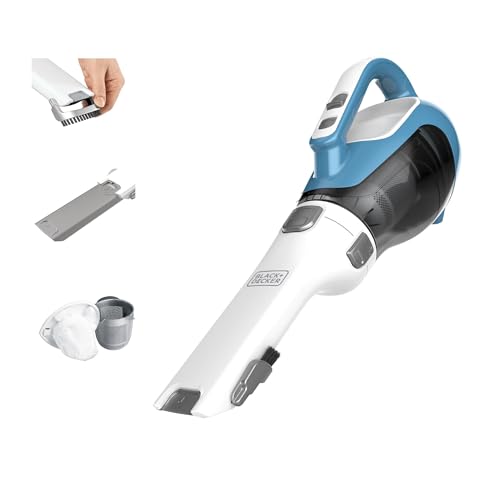
BLACK+DECKER Dustbuster AdvancedClean cordless handheld vacuum with cyclonic suction and 16V battery. Great for home and car. Read our expert review now.
Ready to Find Your Perfect Vacuum?
Browse our expertly reviewed vacuum cleaners and make an informed decision
Browse All Vacuums